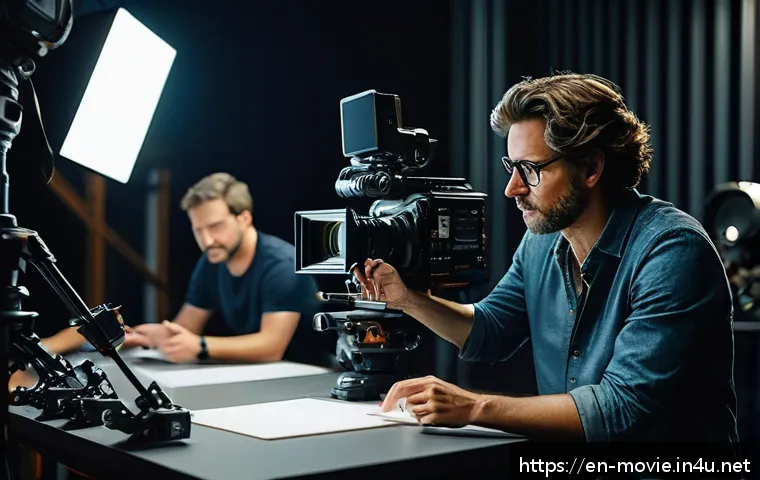
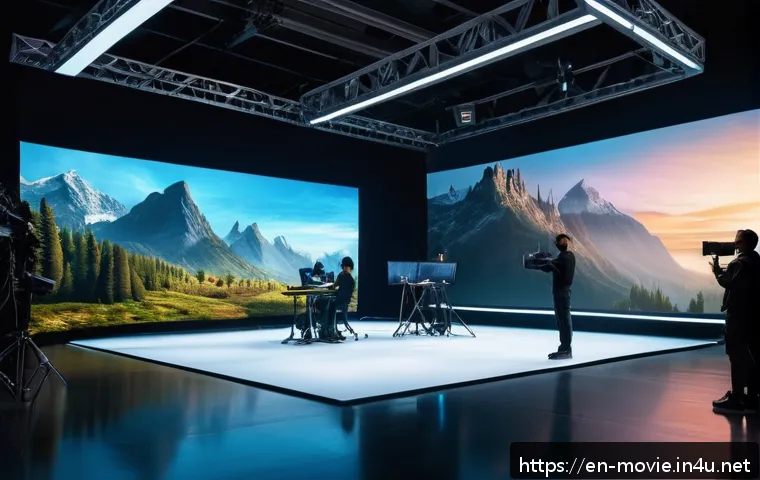
The most important film production roles usually cover planning, creative direction, image, sound, and editing. For a typical project, that means prioritizing a producer, director, camera and lighting support, sound, and an editor before adding more specialized positions.
The right career path depends on whether you prefer storytelling, technical craft, organization, or business coordination. Small crews often combine responsibilities, but some combinations can put footage quality, schedules, or post-production at risk.
For people hiring a team, the decision is less about finding the lowest quote and more about matching experience, equipment needs, turnaround expectations, and deliverables to the project.
Film school, certification options, freelance crew directories, production-management software, and equipment rental providers can all be useful research tools, but their fit varies by project.
At a Glance
- Producer, director, camera/lighting, sound, and editor are the core priorities for many film and video projects.
- Small productions can combine roles, but sound, scheduling, data handling, and post-production often need clear ownership.
- Freelance specialists and video production services can help when a project needs specific equipment, faster coordination, or established department teams.
| Role Area | Core Responsibility | Main Stage | Learn In-House or Hire? | Budget Impact |
|---|---|---|---|---|
| Producer / Production | Planning, staffing, schedules, coordination, delivery | Development through distribution | Hire when logistics, financing, or delivery coordination are complex | Can protect the schedule and reduce avoidable gaps |
| Director | Creative interpretation of the script and department leadership | Pre-production and production | Usually kept close to the core creative team | Shapes decisions across every department |
| Camera / Lighting | Visual planning, camera work, lighting collaboration, image consistency | Pre-production and production | Hire specialists when visual demands or equipment needs increase | May involve crew and equipment rental decisions |
| Production Sound | Location recording and dialogue capture | Production | Often worth assigning clearly rather than treating as an add-on | Can affect whether footage is usable without extensive repair |
| Post-Production | Editing, color, dialogue editing, sound design, mixing | Post-production | Hire by specialty when final delivery requires a refined finish | Scope depends on revisions, turnaround, and deliverables |
Which Film Production Roles Matter Most on a Typical Project?
The Short Answer: Build Around Planning, Creative Direction, Image, Sound, and Editing
A film production is commonly organized into development, pre-production, production, post-production, and distribution. The people responsible for planning, creative choices, image, sound, and editing connect those stages. A producer typically oversees business, financing, scheduling, staffing, and delivery coordination, although the exact responsibilities can vary by production size. The director leads the creative interpretation of the script, while camera, lighting, sound, and editing teams turn that direction into a finished work.
Why One Person May Cover Multiple Roles on Small Productions
Independent projects often rely on a smaller freelance film crew. One person may handle producing and coordination, or camera operation and cinematography. This can be practical when the script, location plan, and schedule are simple. It can also help emerging filmmakers learn how departments depend on one another before choosing a more focused filmmaking career.
When Combining Roles Creates Quality or Scheduling Risks
Combining roles becomes risky when one person must make competing decisions at the same time. A director operating camera may have less attention for performances. A producer managing logistics during a shoot may miss creative or technical issues. Sound should not be assumed to be covered simply because a camera is recording. Clear responsibility for usable dialogue, footage organization, and post-production handoffs helps prevent delays later.
Film Crew Roles Compared by Responsibility and Production Stage
Producers, Line Producers, and Production Coordinators
Producers connect the business and operational sides of a project. Depending on the production, a line producer may focus more closely on practical planning, while a production coordinator may support schedules, staffing communication, and documentation. These roles suit people who like organizing moving parts, communicating with teams, and tracking what must happen before delivery. Production-management software can be useful when call sheets, task ownership, schedules, and approvals need one shared place.
Director, Assistant Director, and Script Supervisor
The director works closely with department heads to guide the creative interpretation of the script. An assistant director can help coordinate production activity and the shooting schedule, while a script supervisor helps maintain continuity information during production. These roles require different strengths: the director focuses on creative choices, while the supporting production roles help the work stay organized. Job titles can overlap on smaller projects, so ask what duties are actually included.
Director of Photography, Camera Department, Gaffer, and Grip Team
Cinematography includes visual planning, camera operation, lighting collaboration, and image consistency. The director of photography works with the director on the visual approach, while the camera department, gaffer, and grip team support execution in different ways. The right equipment rental selection should follow the planned shots, location conditions, available crew, and image needs—not simply the most advanced-looking package. Equipment also needs people who can operate it safely and efficiently within the schedule.
Production Designer, Costume, Makeup, and Art Department Roles
These departments shape what the audience sees in front of the camera. Production design and art department work support locations, sets, props, and visual details. Costume and makeup help maintain character appearance and continuity. Their value can be especially visible when a story depends on a particular time, place, or visual identity. Even a modest project benefits from discussing these needs before the production day rather than improvising them after camera and lighting plans are set.
Sound Recordist, Boom Operator, Editor, Colorist, and Sound Post-Production Specialists
Production sound and post-production sound are separate specializations. Location recording and boom operation address sound captured during filming. Later, dialogue editing, sound design, and mixing address the soundtrack in post-production. Editors shape footage into a narrative, while colorists refine image consistency and visual tone. A project does not need every role in every circumstance, but it should identify who owns each task before filming begins.
Hiring a Film Crew: Value, Budget Priorities, and Outsourcing Decisions
Roles That Usually Protect Schedule, Usable Footage, and Final Deliverables
A capable producer or production lead can protect planning and communication. A director provides creative clarity. Camera and lighting teams protect the image plan, while production sound protects dialogue captured on location. An editor protects the path from recorded material to a coherent final cut. These priorities are useful because problems in these areas can affect every later stage.
In-House Skills Versus Freelance Specialists
Learning a role in-house may make sense when the work is recurring and the team has time to practice before an important shoot. Hiring a freelance specialist may make more sense for a one-time technical need, a demanding turnaround, or equipment that the team does not normally use. Many independent productions use freelancers, while larger productions may work with established department teams or a production company.
What to Compare Beyond a Crew Member’s Day Rate
Do not compare freelance crew rates in isolation. Union status, location, project scope, experience, equipment needs, and turnaround time can affect availability and rates. Ask what is included: preparation, equipment, travel expectations, media handling, revisions, and final delivery support. A lower quote may describe a different scope of work rather than the same service.
Questions to Ask Before Requesting a Production-Service Quote
Share the script or brief, shooting dates, locations, expected deliverables, and intended turnaround. Ask which crew roles the production service will provide, whether equipment is included, who manages data and post-production handoffs, and how revisions are handled. If a project needs production insurance, confirm responsibility and requirements through the relevant provider or official guidance before production starts.
How Film Production Departments Work Together in Practice
Pre-Production Handoffs That Prevent Avoidable Production-Day Problems
Pre-production is where departments turn the script into a workable plan. The producer and director can align priorities, then camera, lighting, art, costume, makeup, and sound teams can identify practical needs. A location may look right creatively but create sound challenges, power limitations, or restricted camera placement. Early handoffs allow those issues to be considered before the schedule is locked.
Communication Between Creative, Technical, and Logistics Teams
Good communication does not mean every person makes every decision. It means departments receive the information they need in time. The director communicates creative intent. The producer or coordinator tracks schedule and staffing. Technical departments flag equipment, setup, or location needs. A shared production-management tool can help teams keep the latest schedule, shot priorities, and assigned responsibilities visible.
Post-Production Planning Before Cameras Start Rolling
Post-production should be considered before filming. Confirm how footage and sound will be organized, who receives the media, what the editor needs, and what final deliverables are expected. Discuss color and sound needs early when image consistency, dialogue clarity, sound design, or mixing will matter to the final result. This reduces the chance that the post team receives incomplete information or difficult-to-match material.
Common Career and Staffing Mistakes to Avoid
Choosing a Job Title Without Understanding Its Workload
“Producer” and “director” can sound broad because they are broad. Before pursuing a role, look at its recurring responsibilities across the full production cycle. A person who enjoys visual problem-solving may prefer camera, lighting, or color. Someone who enjoys structure may be better suited to coordination or production management. There is no single best film production career for every person.
Underestimating Sound, Data Management, Releases, and Post-Production
These areas are easy to overlook because they may not be visible in a final frame. Yet dialogue capture, media organization, release documentation, editing, color, and sound work all affect whether a project can move forward smoothly. Assign ownership early and confirm the handoff process.
Hiring Based Only on the Lowest Quote
The lowest quote may not include the same crew experience, equipment, preparation time, or delivery responsibilities as another option. Compare scope, availability, relevant work samples, communication, and the ability to meet the project’s practical requirements. A crew directory can help identify options, but direct discussion is still needed to confirm fit.
Failing to Define Deliverables, Ownership, and Revision Expectations
Before work begins, clarify the expected final files, deadlines, revision process, and ownership expectations. The precise terms may vary by project and location, so confirm them with the appropriate parties rather than assuming standard terms apply. Clear expectations are useful for individual freelancers, department teams, and full video production services.
Choosing the Right Film Production Role or Team: A Comparison Summary
Best Fit for Creative Storytellers, Technical Specialists, Organizers, and Business-Minded Professionals
Creative storytellers may be drawn to directing, writing, editing, or production design. Technical specialists may prefer cinematography, camera, lighting, sound, color, or post-production sound. Organizers may find a fit in coordination, assistant directing, or production management. Business-minded professionals may gravitate toward producing, financing coordination, staffing, and delivery planning.
A Practical Checklist for Selecting Crew Members or Production Partners
Check the following before committing:
- Project fit: Does the person or team understand the script, format, and required deliverables?
- Scope clarity: Are prep, production duties, equipment, post-production, and revisions clearly described?
- Schedule fit: Can the crew support the required shoot and turnaround timeline?
- Technical needs: Are camera, lighting, sound, media, and equipment rental requirements covered?
- Communication: Is there a clear production lead and a reliable method for updates and approvals?
When a Production Company May Be More Suitable Than Individual Freelancers
A production company may be useful when a project needs coordinated departments, centralized planning, or a single point of contact across production and post-production. Individual freelancers may offer more flexibility when the project has a defined, limited need. The better choice depends on the scope, team capacity, location, equipment needs, and turnaround expectations.
Selection Criteria and Comparison Summary
Before hiring or choosing a career direction, focus on the production stage you enjoy, the responsibilities you can realistically own, the skills that require specialist support, the equipment involved, and the final delivery expectations. For hiring, compare scope before price and identify who owns sound, media, scheduling, and post-production. Review crew directories for relevant specialists, check production insurance requirements where applicable, and compare equipment rental options against the actual shot plan. For official terms, availability, and service details, review the relevant provider’s page before making a decision.
Closing Thoughts
Film production careers are connected, but they are not interchangeable. A strong project does not always need a large crew; it needs clear ownership of the work that matters most. Producers, directors, image teams, sound teams, and editors each solve different problems across the production process. Whether you are building a career or hiring a crew, start with the responsibilities rather than the title alone.
Useful Information to Know
Film school and certification options: Research course content, practical access to equipment, and portfolio opportunities rather than assuming one path is required.
Freelance crew availability: It can vary based on location, project scope, experience, equipment needs, union status, and turnaround time.
Equipment rental: Match rental choices to the shot plan, crew capability, location conditions, and production schedule.
Post-production: Plan editing, color, dialogue work, sound design, and mixing before the shoot whenever possible.
Important Considerations
Exact salary ranges, freelance day rates, union requirements, formal education requirements, certification needs, and local job availability vary and should be verified for the relevant location and project. Crew size and budget cannot be determined from a job title alone. Confirm scope, responsibilities, usage expectations, and deliverables directly with crew members, production partners, and relevant service providers.
Frequently Asked Questions
Q1. What are the most important jobs to hire first for a low-budget film production?
A1. Start by covering planning, creative direction, image, sound, and editing. In practical terms, many projects prioritize a producer or production lead, director, camera and lighting support, production sound, and an editor. Small teams may combine some duties, but sound and post-production ownership should be clear.
Q2. Is it better to hire freelance crew members or use a video production company?
A2. Freelancers can be a good fit for defined specialist needs or smaller crews. A video production company may suit projects that need coordinated departments, centralized communication, and support across multiple stages. Compare the included scope, equipment, schedule support, and post-production responsibilities.
Q3. Which film production careers are best for people who prefer technical work over directing?
A3. Technical paths can include cinematography, camera work, lighting, production sound, post-production sound, editing, and color. Each focuses on a different part of the filmmaking process, from on-set capture to the final image and soundtrack.
Q4. How should a small business compare video production quotes without choosing only by price?
A4. Compare what each quote includes: planning, crew roles, equipment, filming time, media handling, editing, revisions, sound work, color work, delivery files, and turnaround expectations. Also confirm who will manage the project and whether the proposed team matches the business’s content goals.