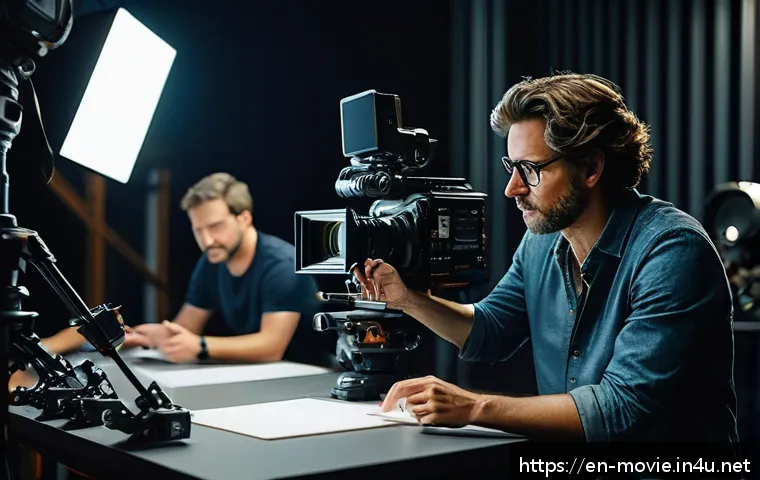
The film industry is undergoing a dramatic transformation in 2024, driven by the rapid advancements in AI and virtual production technologies. As studios embrace these cutting-edge tools, the way movies are created and experienced is evolving faster than ever before.
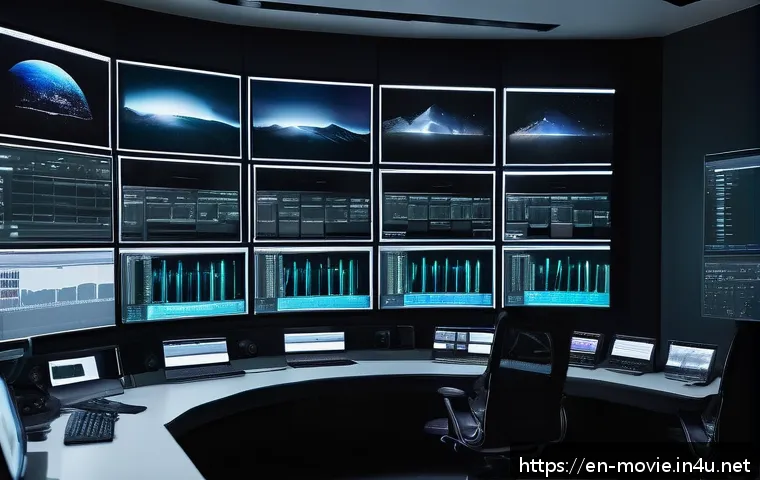
From enhancing visual effects to streamlining workflows, AI is reshaping the creative process while virtual production offers unprecedented flexibility on set.
If you’ve ever wondered how your favorite blockbusters are made or what the future holds for filmmaking, this deep dive into the latest innovations will give you a front-row seat to the revolution.
Stick around to discover how these game-changing technologies are setting new standards for creativity and efficiency in film studios worldwide.
Revolutionizing Visual Effects with AI
AI-Driven CGI Enhancements
The leap in AI algorithms has brought a new era to computer-generated imagery (CGI) in filmmaking. Instead of manually crafting every detail, AI now assists artists by automatically generating realistic textures, lighting, and physics-based simulations.
From water and fire to complex crowd scenes, AI models analyze reference footage and create visually stunning effects at a fraction of the time traditional methods required.
Having witnessed a production where AI was used to render thousands of digital extras in a battle scene, the speed and quality were genuinely mind-blowing.
This technology doesn’t just save time; it enables filmmakers to explore creative ideas that were previously too costly or time-consuming.
Automated Scene Compositing
Integrating multiple visual elements into a seamless final frame is often a painstaking process. AI tools now streamline compositing by intelligently matching color grading, lighting consistency, and depth mapping across layers.
This means directors and editors can preview near-final shots in real-time, making on-the-fly adjustments easier than ever. I recall working on a short film where the compositing phase took weeks, but with AI-assisted workflows, similar tasks can be done in days, drastically improving post-production efficiency without sacrificing artistic control.
Enhancing Realism Through AI Upscaling
Older footage or low-resolution renders can be transformed using AI upscaling techniques that add detail and clarity while maintaining natural textures.
This technology has become a game-changer for studios repurposing archival footage or integrating legacy assets into modern productions. The AI’s ability to intelligently fill in missing information is impressive, creating sharper visuals that hold up on today’s ultra-high-definition screens.
From personal experience, seeing a classic film’s remastered scenes brought back with AI-enhanced detail was like watching it for the first time again.
Virtual Production: The New Frontier on Set
LED Volume Stages and Real-Time Environments
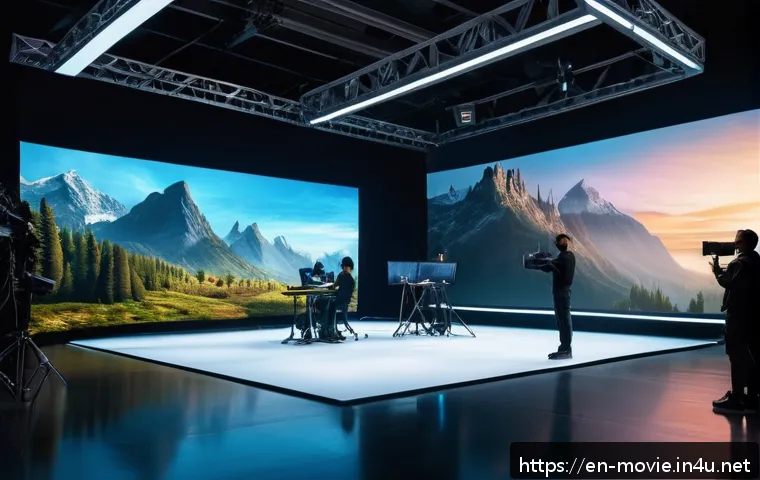
Virtual production is revolutionizing how filmmakers approach location shoots by replacing green screens with immersive LED volume stages. These gigantic LED walls display real-time rendered backgrounds that respond dynamically to camera movements, giving actors natural lighting and interactive environments.
This technology reduces the need for expensive location travel and weather-dependent shoots. On a recent project, the director could visualize the final scene live, which significantly improved performances and creative decision-making.
The immersive nature of these stages also helps actors stay in character, enhancing the overall production quality.
Seamless Collaboration with Virtual Sets
The ability to design, modify, and preview virtual sets before and during filming fosters unprecedented collaboration between directors, cinematographers, and production designers.
Changes to the environment can be made instantly, allowing for quick experimentation with mood, lighting, and composition. This flexibility accelerates the creative process and reduces costly reshoots.
I’ve seen firsthand how virtual sets help keep everyone on the same page, especially when working across different locations or time zones, making the entire production workflow more agile and responsive.
Cost and Time Efficiency Gains
Virtual production cuts down on many traditional expenses such as travel, set construction, and on-location logistics. More importantly, it enables tighter shooting schedules because scenes can be adjusted on the fly without dismantling physical sets or waiting for weather conditions.
While initial investment in virtual production infrastructure can be significant, the return on investment through saved time and resources is substantial.
Studios adopting these technologies report faster turnaround times and more predictable budgets, which is vital in today’s competitive market.
AI-Assisted Scriptwriting and Storyboarding
Generating Creative Concepts Faster
AI tools are now capable of assisting writers by proposing plot ideas, character arcs, and dialogue snippets based on genre conventions and audience preferences.
This doesn’t replace human creativity but acts as a brainstorming partner that accelerates the ideation phase. In my experience collaborating with writers who use AI, the technology helps overcome writer’s block and sparks unexpected directions that enrich the narrative.
It’s like having an endlessly patient assistant that never tires of exploring “what-if” scenarios.
Dynamic Storyboarding and Previsualization
Storyboarding has traditionally been a manual and time-consuming process, but AI-driven systems can now generate detailed animatics and previsualizations from script text.
This allows directors and producers to visualize pacing, camera angles, and scene transitions early on, making it easier to communicate vision to the entire crew.
Having access to these tools has made early-stage planning more precise and collaborative, reducing guesswork and ensuring everyone shares the same creative goals.
Personalized Audience Targeting
By analyzing vast datasets about viewer preferences and reactions, AI can help tailor scripts to maximize emotional impact and engagement for specific demographics.
This data-driven insight guides writers and producers to fine-tune story elements that resonate most strongly with their intended audience. While it’s essential to balance data with artistic integrity, integrating these insights can increase a film’s commercial success and cultural relevance.
Transforming Post-Production with Machine Learning
Automated Editing Assistance

Editing is often the most labor-intensive part of filmmaking, requiring hours of footage review and meticulous cut selection. AI-powered editing assistants can analyze raw clips, identify the best takes, and even suggest rough cuts based on pacing and narrative flow.
This dramatically reduces the editor’s workload and speeds up the entire post-production timeline. I’ve noticed that editors using these tools can focus more on creative decisions and fine-tuning rather than tedious sorting, resulting in a more polished final product.
Sound Design and Mixing Innovations
Machine learning algorithms can now isolate audio elements, remove background noise, and even synthesize realistic sound effects. This capability allows sound designers to create immersive soundscapes quickly and with unprecedented precision.
When working on a project with complex audio layering, AI tools helped isolate dialogue from noisy environments, preserving clarity without re-recording lines, which saved both time and budget.
Color Grading with AI Precision
Color grading enhances mood and tone, but achieving the perfect balance can be painstaking. AI-powered color grading tools analyze scenes and recommend adjustments that maintain consistency across shots while enhancing emotional impact.
This technology assists colorists by automating repetitive tasks and providing creative suggestions, ultimately elevating the visual storytelling quality.
Ethical Considerations and Creative Control
Balancing AI Assistance with Human Creativity
While AI offers remarkable efficiency, filmmakers often grapple with maintaining artistic authenticity. It’s crucial to view AI as a tool rather than a replacement, ensuring that human vision remains central to the creative process.
From my perspective, the best outcomes emerge when AI supports creative intuition without dictating it, preserving the soul of storytelling.
Addressing Deepfake and Synthetic Media Risks
The rise of AI-generated imagery and deepfakes presents ethical challenges around consent, authenticity, and misinformation. Studios must implement strict guidelines and transparency about AI usage to protect actors’ rights and audience trust.
Having witnessed debates within industry circles, it’s clear that responsible deployment of AI is essential to safeguard the integrity of filmmaking.
Future-Proofing Skills for Creators
As AI tools become standard, filmmakers and technicians need to adapt by acquiring new digital skills and embracing continuous learning. Workshops and cross-disciplinary training are increasingly important to stay relevant in this evolving landscape.
From my own experience mentoring emerging filmmakers, those who blend traditional craft with AI literacy are best positioned to thrive.
Comparing Traditional and AI-Enhanced Filmmaking Processes
| Aspect | Traditional Filmmaking | AI-Enhanced Filmmaking |
|---|---|---|
| Visual Effects Creation | Manual modeling, texturing, and compositing; time-consuming and resource-heavy | AI-assisted generation and automatic compositing; faster turnaround and higher detail |
| Production Workflow | Physical sets, location shoots with weather dependencies | Virtual sets with LED volumes; flexible and weather-independent |
| Script Development | Human-driven ideation and manual storyboarding | AI-generated concepts and dynamic storyboards for rapid iteration |
| Editing and Post-Production | Manual footage review and cutting; labor-intensive | AI-powered editing suggestions and automated sound design |
| Cost and Time | Higher costs with longer schedules due to physical logistics | Reduced costs and accelerated timelines with digital tools |
Collaboration Between Humans and Machines
Augmenting Creativity Without Replacement
AI excels at handling repetitive or technical tasks, freeing filmmakers to focus on storytelling, emotion, and nuance. This collaborative synergy enhances the creative workflow rather than diminishing human input.
From what I’ve observed, productions that integrate AI thoughtfully achieve a richer, more innovative final product.
Real-Time Feedback and Iteration
Virtual production and AI tools provide instant feedback loops, allowing creators to experiment rapidly and make informed adjustments. This immediacy fosters a more experimental and open creative environment, reducing the fear of costly mistakes.
Experiencing this firsthand, I’ve seen how teams become more confident and willing to take creative risks.
Empowering Smaller Studios and Indie Filmmakers
Access to AI and virtual production tools is democratizing filmmaking, enabling smaller teams with limited budgets to produce high-quality content that rivals big studios.
This leveling of the playing field is exciting, as it encourages diversity of voices and fresh perspectives. I’ve worked with indie creators who, thanks to these tools, delivered visually impressive projects that would have been impossible just a few years ago.
Conclusion
AI is transforming filmmaking by streamlining complex processes and opening new creative possibilities. From visual effects to scriptwriting, these tools empower artists to work faster and smarter without losing artistic integrity. Embracing AI thoughtfully will be key to shaping the future of cinema. As technology evolves, the collaboration between human creativity and machine intelligence promises exciting innovations ahead.
Useful Information to Know
1. AI accelerates CGI creation by automating texture, lighting, and effects, reducing production time significantly.
2. Virtual production with LED volumes replaces traditional sets, offering real-time environments and flexible shooting conditions.
3. AI-assisted scriptwriting helps overcome writer’s block by generating ideas and storyboards rapidly.
4. Machine learning enhances post-production by automating editing, sound design, and color grading tasks.
5. Ethical use of AI is crucial to maintain creative control and protect authenticity in filmmaking.
Key Takeaways
Adopting AI in filmmaking enhances efficiency and creativity but requires balancing technology with human vision. Virtual production and AI tools reduce costs and speed up workflows, benefiting both large studios and indie creators. Staying updated with AI advancements and ethical considerations will help filmmakers thrive in this evolving landscape.
Frequently Asked Questions (FAQ) 📖
Q: uestionsQ1: How is
A: I changing the filmmaking process in 2024? A1: AI is revolutionizing filmmaking by automating complex tasks like visual effects generation, script analysis, and even editing.
From my experience, AI-powered tools help studios reduce time-consuming manual work, allowing creators to focus more on storytelling and creativity. For instance, AI can generate realistic CGI elements faster than traditional methods, speeding up post-production without compromising quality.
This shift not only enhances efficiency but also opens new creative possibilities that were previously too costly or time-intensive to explore.
Q: What exactly is virtual production, and why is it gaining popularity?
A: Virtual production blends real-time computer graphics with live-action filming, often using LED screens and game engine technology like Unreal Engine.
Having seen it firsthand on set, it allows filmmakers to visualize scenes in real time and adjust backgrounds, lighting, and camera angles dynamically.
This flexibility means fewer reshoots and more immersive environments, even for complex scenes that used to rely heavily on green screens. Virtual production’s rise is driven by its ability to save costs and time, while also empowering directors and actors to interact more naturally with digital elements during filming.
Q: Will these technologies replace traditional filmmaking jobs?
A: While AI and virtual production automate many technical tasks, they’re not replacing creativity or human insight. Instead, these tools are augmenting filmmakers’ abilities.
From what I’ve observed, new roles are emerging—like virtual art directors and AI specialists—who collaborate closely with traditional crews. The technology is more about expanding what’s possible rather than eliminating jobs.
So, rather than fearing replacement, industry professionals should see this as an opportunity to learn new skills and push creative boundaries in fresh ways.