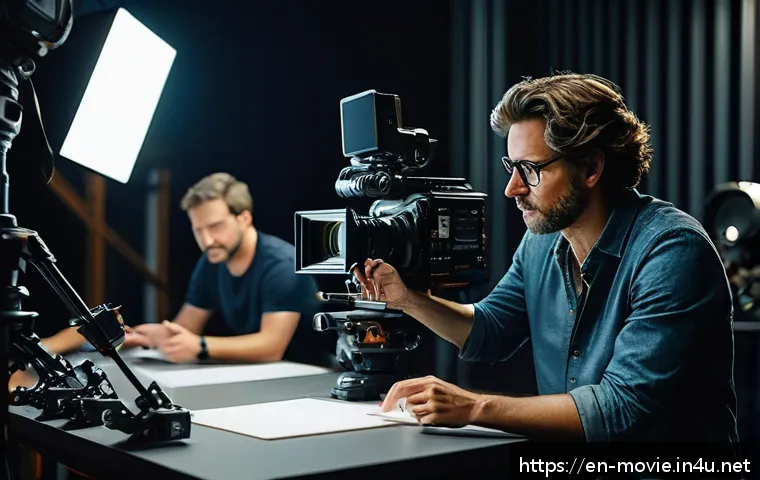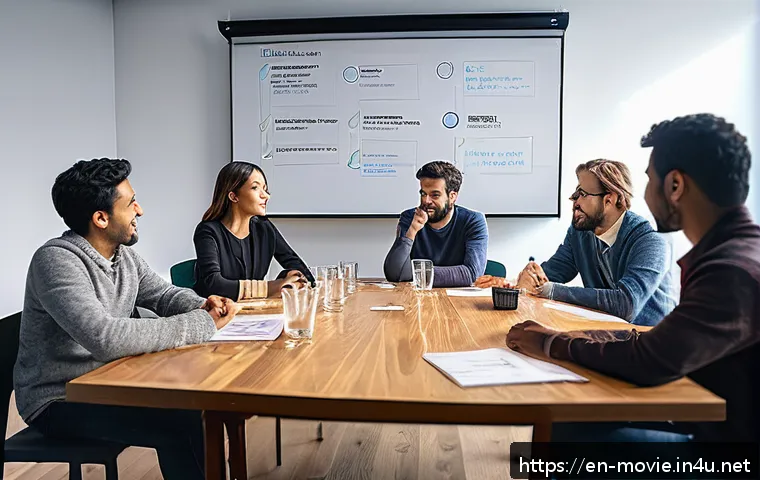
In today’s fast-paced production environment, building a strong on-set team is more crucial than ever. With creativity and efficiency often competing for attention, mastering team dynamics can be the game-changer that elevates every project.

I’ve seen firsthand how a well-connected crew not only speeds up workflows but sparks innovative ideas that wouldn’t emerge otherwise. As remote and hybrid setups become more common, understanding these strategies is essential for anyone aiming to lead a successful set.
Stick around as we dive into proven methods that transform teamwork into a powerful creative force.
Building Trust Through Transparent Communication
Encouraging Open Dialogue on Set
Creating an atmosphere where team members feel comfortable sharing ideas, concerns, and feedback is fundamental. From my own experience, when crew members know their voices matter, they engage more deeply.
This openness not only resolves issues before they escalate but also fosters a culture where innovation thrives. Whether it’s a quick check-in during a scene or a scheduled debrief, regular communication channels make a significant difference.
It’s essential to set the tone early that questions and suggestions are welcomed without judgment.
Clarifying Roles and Expectations
One mistake I often see is blurred responsibility lines causing confusion and delays. Clear role definitions help everyone understand what’s expected and how their work fits into the bigger picture.
On several projects, I’ve noticed that explicitly discussing duties before shooting starts saved hours of backtracking later. This also reduces stress—when you know exactly who handles what, you can trust that nothing falls through the cracks.
It’s worth investing time upfront to map out these details, even in fast-moving environments.
Using Technology to Enhance Communication
Digital tools have transformed how crews coordinate, especially with remote or hybrid teams. Apps for real-time updates, shared calendars, and instant messaging keep everyone aligned without constant meetings.
I’ve found that leveraging platforms like Slack or dedicated production management software streamlines information flow and prevents miscommunication.
However, it’s important to balance tech use with personal check-ins, ensuring technology supplements rather than replaces human connection.
Fostering Collaborative Problem Solving
Empowering Crew to Take Initiative
A team that feels empowered to tackle challenges independently can keep production rolling smoothly. I remember a shoot where a lighting issue popped up unexpectedly.
Instead of waiting for direction, the gaffer quickly devised a workaround that kept us on schedule. Encouraging this kind of proactive mindset means leaders must trust their team’s expertise and give them room to act.
When people feel ownership over solutions, they become more invested and creative in their roles.
Brainstorming as a Group Activity
Bringing the team together to brainstorm can unlock ideas that no single individual might have considered. In my experience, setting aside time for group problem-solving sessions, even brief ones, sparks energy and collective ownership.
These moments often lead to innovative approaches that improve workflow or solve technical hurdles. The key is creating a judgment-free space where all suggestions are valued, fostering an environment ripe for creative breakthroughs.
Learning from Setbacks
Mistakes and unexpected challenges are inevitable, but how a team responds can make or break morale. I’ve seen teams that debrief honestly after tough days, using setbacks as learning moments, come back stronger and more cohesive.
Celebrating small wins alongside acknowledging errors helps maintain motivation. Documenting lessons learned and sharing them across projects builds institutional knowledge that benefits future productions.
Enhancing Efficiency with Structured Workflow
Implementing Clear Checklists and Schedules
Having detailed checklists and production schedules is a lifesaver in hectic environments. From my own shoots, I know how easily things can spiral without a roadmap.
Checklists ensure no task is overlooked, while clear timelines help keep everyone on the same page. This structure reduces last-minute chaos and allows for smoother transitions between scenes.
It also makes it easier to anticipate bottlenecks and adjust plans proactively.
Designating Point Persons for Each Department
Assigning a reliable lead for every department streamlines communication and decision-making. On sets I’ve worked with, these point persons act as hubs for their teams, relaying information efficiently up and down the chain.
This reduces confusion and accelerates problem resolution. It also empowers department heads to manage their crews effectively while keeping the production leader informed.
Balancing Flexibility with Discipline
While structure is vital, rigid adherence to plans can stifle creativity or cause friction when unexpected changes arise. I’ve learned that the best teams combine discipline with adaptability—being prepared but ready to pivot when needed.
This balance allows crews to maintain momentum without sacrificing quality or team morale. Encouraging a mindset that embraces change as part of the process helps everyone stay agile under pressure.
Building Personal Connections to Boost Morale
Creating Opportunities for Informal Interaction
Spending long hours on set can be draining, but informal moments—like coffee breaks or quick chats—build rapport and ease tension. I’ve noticed that when team members genuinely connect on a personal level, collaboration becomes more natural and enjoyable.
These casual interactions create trust and camaraderie that translate into smoother teamwork during stressful scenes.
Recognizing and Celebrating Contributions
Everyone wants to feel valued. Taking time to acknowledge individual and team achievements, whether through shout-outs during wrap-ups or small tokens of appreciation, lifts spirits and motivates ongoing effort.
I’ve seen how even simple gestures like thank-you notes or snacks can make a huge difference in keeping morale high and encouraging continued excellence.
Supporting Work-Life Balance
Film production is demanding, but respecting personal boundaries and encouraging rest periods helps prevent burnout. On projects where leaders prioritized downtime and flexible scheduling, I observed better focus and positivity on set.
Supporting mental and physical well-being isn’t just humane—it’s smart management that sustains creativity and productivity over the long haul.
Leveraging Diversity for Creative Strength
Embracing Different Perspectives
A diverse team brings a wealth of viewpoints that enrich storytelling and problem-solving. I’ve found that actively seeking input from people with varied backgrounds leads to more nuanced and original ideas.
Celebrating these differences fosters an inclusive atmosphere where everyone feels empowered to contribute their unique strengths.
Encouraging Cross-Department Collaboration
Breaking down silos between departments sparks fresh thinking and deeper understanding. For example, when camera operators share insights with lighting or sound teams, it often leads to innovative technical solutions.
I’ve witnessed how encouraging this kind of cross-pollination on set results in more cohesive and polished final products.
Providing Inclusive Leadership
Leaders who model inclusivity set the tone for the entire crew. Demonstrating respect, actively listening, and addressing biases create a safe space for all team members.
This approach not only improves morale but also enhances retention and performance, as people feel seen and supported in their roles.
Streamlining Coordination in Remote and Hybrid Setups
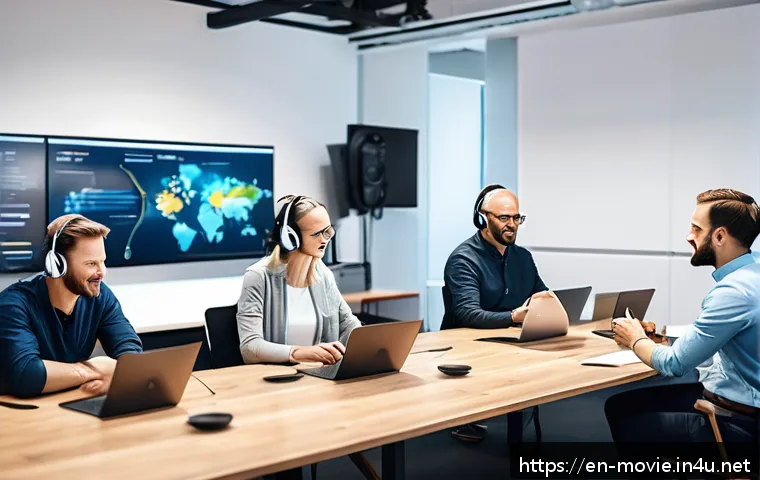
Adapting Communication Styles for Virtual Teams
Remote and hybrid productions demand intentional communication adjustments. From my experience, being extra clear and concise in messages prevents misunderstandings.
Scheduling regular video calls and using visual aids help keep remote members engaged and aligned with on-set activities. It’s also critical to check in frequently to maintain connection and morale.
Utilizing Collaborative Platforms Effectively
Choosing the right tools for file sharing, task management, and real-time updates can make or break remote coordination. I’ve seen teams thrive when they adopt platforms tailored to their workflow, reducing email overload and keeping information centralized.
Training everyone on these tools upfront ensures smooth adoption and minimizes technical hiccups.
Maintaining Team Culture Across Distances
Keeping a sense of community when not everyone is physically present takes creativity. Virtual team-building exercises, online social hours, and celebrating milestones digitally help maintain bonds.
In my experience, these efforts pay off by sustaining motivation and a shared sense of purpose even when the team is dispersed.
| Key Aspect | Practical Tips | Benefits |
|---|---|---|
| Transparent Communication | Regular check-ins, clear roles, tech tools like Slack | Builds trust, reduces errors, sparks innovation |
| Collaborative Problem Solving | Empower initiative, group brainstorming, learn from mistakes | Faster issue resolution, stronger team ownership |
| Structured Workflow | Use checklists, designate leads, balance flexibility | Improves efficiency, clarity, adaptability |
| Personal Connections | Informal chats, recognize efforts, support rest | Boosts morale, reduces burnout, fosters camaraderie |
| Diversity and Inclusion | Value different views, encourage cross-team input, inclusive leadership | Enhances creativity, cohesion, retention |
| Remote Coordination | Clear virtual communication, collaborative platforms, virtual culture building | Maintains alignment, engagement, team spirit |
Conclusion
Building a successful production environment hinges on open communication, teamwork, and adaptability. When trust is established through transparency and clear roles, creativity flourishes, and challenges are met with confidence. Embracing diversity and supporting personal connections further strengthen the team’s resilience and morale. By integrating structured workflows and leveraging technology wisely, productions run smoother and more efficiently.
Useful Information
1. Regular communication boosts trust and prevents misunderstandings, keeping everyone aligned and motivated.
2. Empowering team members to take initiative encourages creative problem-solving and ownership.
3. Well-defined workflows with checklists and designated leads reduce chaos and improve efficiency.
4. Recognizing contributions and fostering informal interactions significantly enhance team morale.
5. Utilizing the right digital tools and maintaining culture in remote setups ensure seamless collaboration.
Key Takeaways
Transparent communication, collaborative problem-solving, and structured workflows form the backbone of effective production management. Prioritizing personal connections and diversity enriches the creative process and supports a positive team dynamic. Lastly, adapting coordination methods for remote and hybrid environments is essential in today’s evolving work landscape, ensuring consistent engagement and productivity.
Frequently Asked Questions (FAQ) 📖
Q: How can I effectively build trust among my on-set team members?
A: Building trust starts with clear communication and consistency. From my experience, setting expectations early and following through on promises helps everyone feel secure.
Encouraging open dialogue where team members can voice concerns without judgment creates a safe space that strengthens bonds. Also, recognizing individual contributions publicly boosts morale and trust.
It’s about creating an environment where people know their efforts matter and that they can rely on each other, especially under tight deadlines.
Q: What strategies work best for maintaining creativity while ensuring efficiency on set?
A: Balancing creativity with efficiency is definitely a challenge. What’s worked well for me is scheduling dedicated brainstorming sessions separate from production tasks.
This way, creative ideas get the attention they deserve without disrupting the workflow. On set, I encourage quick check-ins rather than long meetings to keep everyone aligned.
Tools like shared digital boards help track ideas and progress simultaneously. Remember, allowing some flexibility within a structured schedule often sparks the most innovative solutions without sacrificing speed.
Q: How do remote and hybrid setups impact team dynamics, and how can leaders adapt?
A: Remote and hybrid setups change the way teams interact, often reducing spontaneous conversations that spark collaboration. From leading hybrid teams, I’ve found that intentional communication becomes key—regular video calls, virtual coffee breaks, and clear agendas help bridge the distance.
Using collaboration platforms effectively keeps everyone on the same page. Leaders should also be mindful of time zones and individual work styles to foster inclusivity.
Ultimately, adapting means being proactive about connection and support, so no one feels isolated despite the physical separation.