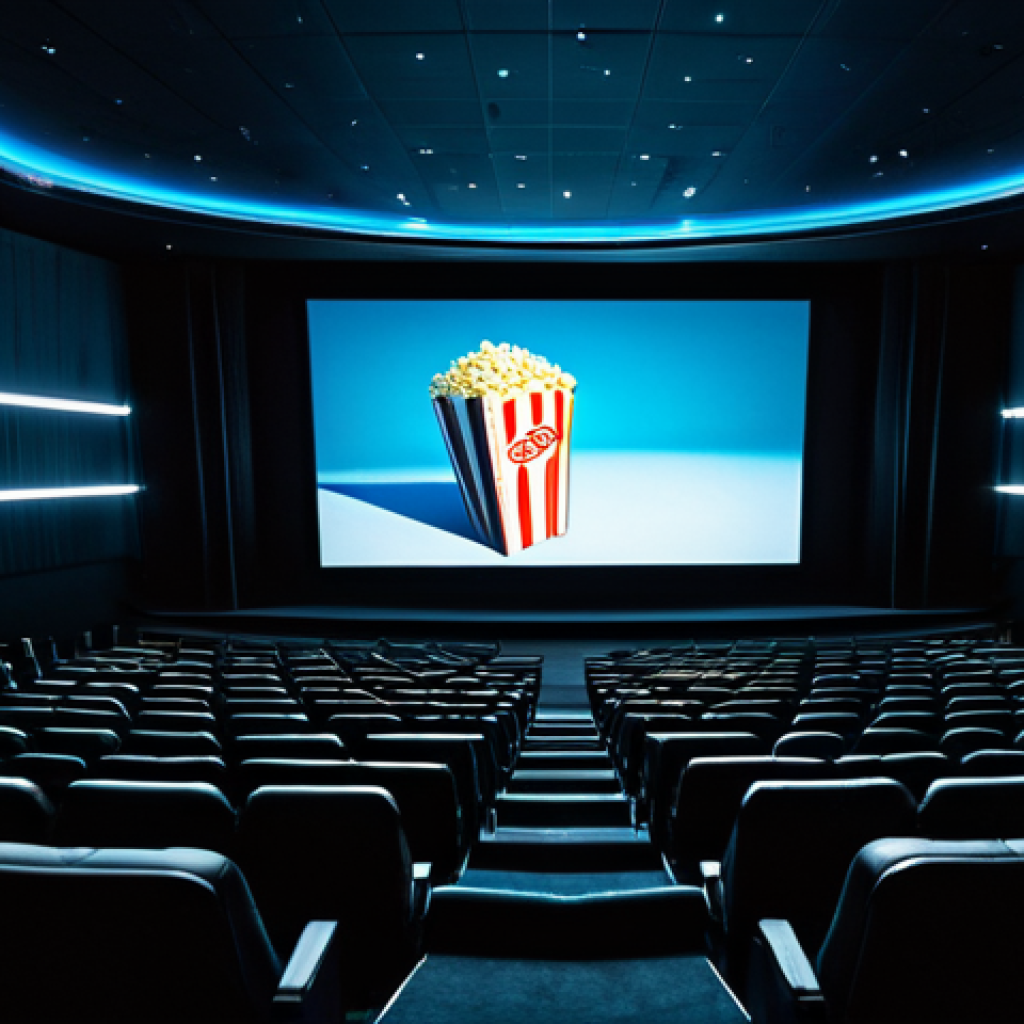
You know that feeling when the lights dim, the trailers start, and you’re just absolutely buzzing for the main feature? Movies are pure magic, right? We cheer for the heroes, cry with the heartbroken, and get utterly lost in incredible stories.
But here’s a thought that always sparks my curiosity: how exactly do these colossal productions – from indie darlings to mega-franchises – actually turn all that creative genius into cold, hard cash?
It’s way more complex than just ticket sales, believe me! Ready to finally unravel the mystery behind Hollywood’s biggest money-makers? I remember the first time I really started pondering this.
It was after seeing a massive superhero flick – the budget must have been insane! And I wondered, beyond the packed theaters, where does all that money *really* come from?
It turns out, the movie business is a constantly evolving beast, far beyond the popcorn and screen. We’re talking intricate webs of global distribution deals, lucrative streaming platform agreements, merchandise that sells out faster than you can say ‘sequel,’ and even savvy licensing for video games and theme parks.
Just think about how Netflix or Disney+ completely flipped the traditional cinema model on its head, right? What was once a theatrical release window is now often a direct-to-digital premiere, changing the game for revenue streams entirely.
The industry is always on the hunt for the next big thing, from leveraging AI for cutting-edge visual effects to exploring interactive storytelling that keeps viewers hooked longer than ever.
It’s a dynamic, high-stakes game where predicting the next trend is almost as crucial as making a good movie. It’s not just about producing a hit; it’s about navigating a global marketplace, understanding diverse audience behaviors, and adapting to technological shifts that are redefining how we consume entertainment.
This isn’t just about art; it’s big business, constantly reinventing itself, and it’s time we finally got a crystal clear picture of how these studios make their magic happen financially.
Let’s dive in and truly demystify the fascinating world of movie production company revenue structures, shall we?
The Grand Overture: Box Office & Beyond

Okay, so we’ve all been there: sitting in a darkened theater, the anticipation building, the collective gasp of the audience. The box office seems like the most straightforward revenue stream, right? You buy a ticket, the studio gets a cut. Simple. But oh, if only it were that simple! I remember seeing the buzz around a particular blockbuster that crushed records on opening weekend, and I thought, “Wow, that’s it, they’re set!” Turns out, it’s a super complex dance of global distribution deals, varying ticket prices, and a whole lot of strategic timing. Studios don’t just pocket all the money from your $15 ticket. A significant portion, often 50% or more, goes straight to the cinema owner to cover their costs – rent, staff, popcorn (which, let’s be real, is where they *really* make their money!). For those massive blockbusters, studios might negotiate a higher percentage for the first few weeks, knowing the demand is through the roof. But it quickly tapers off. Then you have to factor in different territories. What flies in the US might need a completely different release strategy and marketing push in Europe or Asia, each with its own local distributors and their cuts. It’s a logistical marvel, trying to maximize screen count and audience engagement across wildly diverse markets, all while keeping a close eye on local tastes and trends. The initial theatrical run, while flashy, is really just the first domino in a much longer, more intricate chain of profit.
The Global Silver Screen Saga
It’s fascinating how a movie’s journey across the globe impacts its financial performance. I once followed a smaller indie film that did moderately well domestically but exploded in a few European markets because its themes resonated differently there. This isn’t just about dubbing or subtitles; it’s about understanding cultural nuances, local holidays, and even censorship laws. Studios invest heavily in marketing campaigns tailored for each region, sometimes even reshooting scenes or tweaking entire trailers to appeal to a specific audience. Think about how a certain action film might be marketed as a family adventure in one country and a gritty thriller in another. The revenue split with international distributors also varies wildly, and the currency exchange rates can play a huge role in the final take-home. It’s a constant balancing act, trying to predict which films will translate globally and how best to present them to maximize their earnings potential far beyond Hollywood.
From Matinees to Premium Experiences
Gone are the days when a ticket was just a ticket. Now, moviegoers have a buffet of options, each with a different price tag. You’ve got your standard matinee, which is a great value, right? Then there are the evening shows, premium large formats like IMAX or Dolby Cinema with their enhanced visuals and sound, and even luxury recliner seats that make you feel like you’re watching from your living room (but with better snacks!). Each of these tiers commands a different price point, and while the cinema takes a chunk, the higher gross ticket price ultimately means more revenue to split with the studio. I personally love the experience of a premium format for a big action flick; it just feels more immersive, and I don’t mind paying a little extra for that “wow” factor. Studios definitely bank on people like me willing to upgrade, knowing that those premium sales directly boost their overall box office share.
The Digital Revolution: Streaming & VOD Dominance
If the box office is the grand overture, then streaming is the ongoing symphony that never stops playing. I remember when Netflix was just a DVD-by-mail service – crazy, right? Now, it’s one of the most powerful forces in how movies make money, completely flipping the script on traditional release windows. For a long time, there was a strict hierarchy: theatrical release, then home video (DVD/Blu-ray), then pay-per-view, and finally cable TV. But with the rise of platforms like Disney+, Max, Hulu, and Peacock, studios realized they could monetize their content directly, bypassing many of those intermediate steps. This isn’t just about new movies; it’s about leveraging vast libraries of older films and TV shows that suddenly become valuable assets for subscriber retention. When I’m scrolling through Netflix, I often stumble upon a classic film I haven’t seen in ages, and it reminds me how effectively these platforms are repackaging and re-monetizing content that might otherwise just sit in a vault. The competition for subscribers is fierce, leading studios to invest astronomical sums in original content, knowing that a breakout hit can bring in millions of new paying customers, thus securing a stable, recurring revenue stream far beyond a single ticket purchase.
The Netflix Effect: Shifting Paradigms
The “Netflix Effect” truly revolutionized the game. Instead of waiting months, or even a year, for a movie to hit your TV, many films now premiere directly on streaming services or have a much shorter theatrical window before going digital. I’ve personally found myself opting for a home premiere a few times, especially for films I was curious about but didn’t feel compelled to see on the big screen. This direct-to-consumer model means studios retain a larger share of the revenue, as they’re not splitting it with theaters or physical media distributors in the same way. Plus, it gives them invaluable data on viewer habits, what people are watching, and for how long – information that is pure gold for shaping future content strategies. The entire industry watched as Disney pulled its content from competitors to power Disney+, and it was a massive, strategic gamble that clearly paid off, showcasing the immense power of owning your distribution platform.
Premium On-Demand: New Release Windows
Beyond the subscription model, there’s also the premium video-on-demand (PVOD) market. Remember during the pandemic when some major blockbusters skipped theaters entirely and went straight to PVOD, costing around $20-30 for a rental? That was a game-changer! While it caused some friction with cinema owners, it proved that audiences were willing to pay a premium to watch new releases at home, sometimes even before they were available for regular streaming subscribers. I actually did this for a couple of family movies, and it felt like a special event without leaving the house. Studios get a much larger cut from these direct rentals than from traditional theatrical releases, and it offers an incredible amount of flexibility. It’s an interesting hybrid model that balances the desire for immediate consumption with the studio’s need for higher margins, showing how quickly Hollywood adapted to unprecedented challenges.
Merchandising Mania: Wearables, Collectibles & Worlds
This is where the magic truly spills off the screen and into our lives, and honestly, it’s one of my favorite parts of the movie business! Think about it: every time you see a Star Wars t-shirt, a Marvel action figure, or a Harry Potter wand, you’re looking at a carefully crafted revenue stream. I’ve definitely fallen victim to this, buying a limited-edition collectible from a favorite franchise that I just *had* to have. Studios license their characters, logos, and storylines to countless manufacturers who then produce everything from toys and apparel to video games and theme park attractions. The licensing fees can be incredibly lucrative, often with a percentage of sales going back to the studio. This isn’t just about selling stuff; it’s about extending the narrative and allowing fans to engage with their beloved worlds on a tangible level. For a massively popular franchise, merchandising revenue can sometimes even surpass the initial box office earnings over the long run, building a sprawling empire around a single film property.
From Toys to Tees: Building a Brand Empire
The sheer volume and variety of licensed products are astounding. From Happy Meal toys to high-end collector statues, movie merchandise caters to every demographic and price point. I remember seeing a detailed replica of a spaceship from a sci-fi movie at a comic convention, and the craftsmanship was incredible – clearly designed for serious adult collectors. But then you walk into any major retailer, and you see kids’ pajamas, school supplies, and even kitchenware emblazoned with popular characters. Studios employ entire teams dedicated to brand management and licensing, carefully vetting partners to ensure product quality aligns with their brand image. These deals are negotiated years in advance of a film’s release, all part of a synchronized effort to create a cultural phenomenon. It’s a genius move, really, because it transforms a fleeting cinematic experience into a pervasive part of popular culture.
Limited Editions and Fan Fervor
There’s a special kind of magic in limited-edition merchandise that taps into a collector’s heart. I know friends who camp out for exclusive movie-themed sneakers or special edition Blu-rays with unique packaging. This scarcity model drives demand and creates immense hype, often leading to rapid sell-outs and inflated prices on the secondary market. For studios, this means quick sales at a higher margin and a renewed buzz around the franchise. It’s a brilliant strategy to keep fans engaged and feeling like they’re part of an exclusive club. Plus, these high-value items reinforce the prestige and cultural impact of the film, encouraging deeper fan loyalty and continued spending on related products. It’s not just about selling a product; it’s about selling an experience and a piece of a beloved universe.
Experiential Earnings: Theme Parks, Games & Live Shows
This is where movies truly leap off the screen and into physical, interactive spaces, creating utterly unforgettable experiences. I’ve always been fascinated by how Universal Studios or Disney World manage to make you feel like you’ve stepped right into your favorite film. It’s not just about rides; it’s about the entire immersive environment, the character meet-and-greets, and even the themed food. Studios license their intellectual property (IP) to theme park developers, game studios, and live show producers, generating significant revenue through upfront fees, ongoing royalties, and sometimes even direct ownership stakes. These ventures don’t just add to the bottom line; they act as incredible, long-term marketing tools, keeping franchises alive and relevant for decades, often spanning generations of fans. When I think about the sheer joy of seeing a movie world brought to life, I realize the immense value this kind of extended engagement holds for both the fans and the studios.
Bringing Stories to Life: Rides and Attractions
Walking through The Wizarding World of Harry Potter at Universal Orlando, I felt like a kid again, completely transported. That kind of immersive experience is priceless for fans, but it’s also a massive cash cow for studios. Licensing film IPs for theme park attractions involves huge upfront payments and continuous royalty streams based on park attendance and merchandise sales within the themed areas. These attractions often require extensive design and engineering, but the payoff can be astronomical. Think about how many times people revisit parks just for their favorite movie-themed rides. It’s a testament to the enduring power of storytelling, transformed into a physical, thrilling adventure. This revenue stream isn’t just a bonus; for major studios, it’s a foundational part of their long-term financial health, creating destination experiences that draw millions annually.
Interactive Universes: Video Game Licensing
As an avid gamer, I can attest to the power of a good movie-tie-in game. While not all are smash hits, the potential for revenue is massive. Studios license their film IPs to game developers, who then create entire interactive worlds based on the movies. This can range from blockbuster console games to mobile apps and VR experiences. Licensing fees, percentage of sales, and in-game purchases all contribute to the studio’s earnings. The best movie games don’t just replicate the film; they expand its universe, letting players explore new storylines and interact with characters in novel ways. I’ve spent countless hours in games based on my favorite films, and that sustained engagement translates directly into sustained revenue for the IP owners. It’s a perfect synergy where creative storytelling meets interactive entertainment, tapping into a whole new audience and deepening the fan experience.
Global Licensing and Broadcast Deals: Reaching Every Corner
Beyond the initial theatrical and streaming runs, movies continue their long, lucrative journey through a myriad of licensing and broadcast deals around the world. It’s like a never-ending relay race where the film keeps passing the baton to new platforms and audiences. I’ve often seen older films pop up on different cable channels or local streaming services, sometimes years after their initial release. This isn’t accidental; it’s the result of carefully negotiated deals where studios sell the rights to broadcast their films on linear television networks, pay-per-view services, and even airlines. These rights are typically sold for specific timeframes and territories, meaning a studio can sell the rights for a film in the UK for two years, then again in Germany for another three, and then perhaps a global deal for in-flight entertainment. Each deal, no matter how small, adds to the cumulative revenue, turning films into long-term assets that generate income for years, even decades, after their premiere. It’s a complex tapestry of agreements, but absolutely essential for maximizing a film’s global financial reach.
Network Deals: Free-to-Air and Cable
Remember those lazy Sunday afternoons watching a classic movie on network television? That’s not free for the networks! Studios sell broadcast rights to free-to-air channels and cable networks, often in packages or on an individual film basis. These deals are negotiated based on the film’s popularity, star power, and its perceived value to attract viewers and advertisers. For older films, syndication rights allow them to be shown repeatedly across different channels. I’ve noticed how certain holiday movies get re-aired every year, and that’s a perfect example of a perpetual revenue stream from a single piece of content. Even with the rise of streaming, linear TV still has a massive audience, and studios continue to extract significant value from these traditional broadcast agreements, ensuring their films are seen by the widest possible audience.
Airline Rights & International Markets
Next time you’re on a long flight and pick a movie from the in-flight entertainment system, know that the airline paid to have that film available! Studios license their films to airlines for a set period, providing another consistent revenue stream that taps into a captive audience. On top of that, international distribution beyond major theatrical runs involves selling rights to local broadcasters in countries where a film might not have had a wide cinema release. These often include pay-per-view options for local cable providers. The global nature of this industry means a film’s economic life cycle is incredibly long and geographically diverse, ensuring that every possible viewing opportunity is monetized, constantly adding to the studio’s coffers. It’s a testament to the sheer scale of the global entertainment ecosystem.
| Revenue Stream | Description | Key Example |
|---|---|---|
| Box Office | Ticket sales from theatrical releases, split with cinemas globally. | A blockbuster film’s opening weekend gross (e.g., $100M+). |
| Streaming & VOD | Licensing to platforms (Netflix, Hulu), direct-to-consumer premieres, digital rentals/purchases. | Disney+ releasing a new animated film exclusively for subscribers. |
| Merchandising | Licensing characters, logos, and themes for toys, apparel, collectibles. | Star Wars action figures, Marvel t-shirts, Harry Potter wands. |
| Experiential | Licensing for theme park attractions, video games, live stage shows. | Universal Studios’ “Wizarding World,” Call of Duty game series. |
| Broadcast & Syndication | Selling rights to TV networks (cable/free-to-air), airlines, and international distributors. | A classic film airing annually on a network during the holidays. |
| Product Placement | Integrating brands into the film itself for a fee. | A character driving a specific car brand or using a particular phone. |
The Unseen Influencers: Product Placement & Brand Partnerships
Have you ever noticed a character in a movie conspicuously drinking a certain brand of soda or driving a particular car that gets a flattering close-up? That’s not an accident, my friends; that’s product placement, and it’s a huge, often underestimated, source of revenue for film studios. I remember watching an action movie where the hero’s watch got so much screen time, I almost went out and bought one myself! These are strategic deals where brands pay a fee to have their products, services, or even locations integrated into the film. It’s a win-win: the brand gets exposure to a massive global audience, and the studio gets extra cash that can help offset production costs or simply boost their profits. It’s a sophisticated art form, ensuring the placement feels natural and organic to the storyline, rather than jarring and overtly commercial. For some films, especially those with high production values and wide global appeal, these brand partnerships can inject millions into the budget, sometimes even before principal photography even begins, making them an indispensable part of the financial puzzle.
Seamless Integration: Brands on the Big Screen
The best product placements are so subtle, you almost don’t even notice them until someone points it out. Think about the iconic soft drink cans visible on a table in a dramatic scene, or the brand of laptop a hacker is furiously typing on. Studios and production companies work closely with brands to find natural opportunities for integration that enhance, rather than detract from, the narrative. This isn’t just about prop placement; it can extend to costume design, vehicle choices, and even plot points. The more organically a product fits into the film’s world, the more effective it is for the brand, and the more valuable the partnership is to the studio. I once read about a movie where a major tech company paid a fortune just to have their new smartphone model featured prominently, and it truly underscored how much value brands place on this kind of exposure.
Cross-Promotional Power Plays
Beyond direct fees, product placement often opens the door to powerful cross-promotional opportunities. A brand might pay to be featured in a film, but in return, they might also commit to a massive advertising campaign for their product that heavily features the movie’s characters or themes. This means the film gets an extended marketing reach through the brand’s commercials, billboards, and social media campaigns, effectively doubling down on the promotional efforts. I’ve seen cereal boxes featuring movie characters, or fast-food chains offering film-themed collectibles, and it’s a brilliant way for studios to get their message out to an even wider audience without directly footing the entire bill. It creates a symbiotic relationship where both the film and the brand benefit from the shared spotlight, ultimately driving more eyeballs to the movie and more revenue into the studio’s coffers.
The Long Tail of Home Entertainment
While streaming has largely taken over, there’s still a surprising amount of life in what we might call the “long tail” of home entertainment. I know, I know, DVDs and Blu-rays might feel like relics to some, but trust me, for many collectors and cinephiles, physical media is still king! Studios continue to profit from selling films on disc, especially for niche markets, collector’s editions, and countries with less developed internet infrastructure. Beyond that, there’s the enduring market for digital purchases and rentals that exists independently of subscription services. You might buy a movie outright on platforms like Apple TV or Amazon Prime Video to own it forever, rather than relying on its availability in a changing streaming library. These direct-to-consumer sales offer a higher profit margin for studios compared to licensing fees for streaming, making them an important, albeit smaller, piece of the overall revenue pie. It shows that even in our fast-paced digital world, there’s still value in ownership and accessibility on one’s own terms.
Digital Downloads and Rental Libraries
Even if you’ve cut the cord on physical media, you’re likely still contributing to this revenue stream. Services like iTunes, Google Play, and Amazon Prime Video allow you to rent or purchase movies digitally. I often find myself buying older classics this way, especially if they’re not available on my current streaming subscriptions. Studios get a significant cut from each sale or rental, often bypassing the traditional distribution costs associated with physical products. This “electronic sell-through” (EST) and “video-on-demand” (VOD) market provides an à la carte option for consumers and a consistent, high-margin revenue stream for studios, allowing them to monetize their back catalog and new releases for those who prefer to own their content or access it outside of a subscription model. It’s flexible, immediate, and undeniably convenient, keeping movies profitable long after their initial big-screen debut.
Physical Media: A Collector’s Niche
Don’t count out the shiny discs just yet! For a segment of the audience, including myself, physical media offers a superior viewing experience with higher bitrates and often more extensive bonus features than streaming. Collector’s editions, 4K UHD releases, and special packaging can command premium prices. I personally love having a physical copy of my absolute favorite films; there’s a certain satisfaction in owning them, not just subscribing to them. Studios continue to cater to this dedicated market, knowing that these sales often come with higher profit margins per unit and contribute to the prestige of a film’s legacy. It’s a testament to the enduring appeal of tangible art and the desire for definitive versions of beloved movies, proving that even in the digital age, there’s still a place – and a profit – in holding a movie in your hands.
Wrapping Up Our Box Office Odyssey
Whew! We’ve taken quite a journey through the intricate web of how movies truly make their money, haven’t we? It’s far more complex than just a blockbuster opening weekend, and honestly, learning all of this has completely changed how I watch films and appreciate the sheer business acumen behind Hollywood’s magic. What once seemed like a simple transaction – buy a ticket, watch a film – is actually the tip of a massive, multi-layered financial iceberg. From the global ballet of theatrical distribution to the endless scroll of streaming options, the collectible allure of merchandise, and the immersive worlds of theme parks, it’s a constant, creative hustle. Every time I see a new movie poster, I can’t help but think about the potential revenue streams bubbling beneath the surface. It really makes you respect the strategists behind the scenes who are constantly innovating to keep the cinematic dream alive and profitable, ensuring we always have amazing stories to escape into.
Savvy Cinema Insights You’ll Love
Now that we’ve peeled back the curtain, here are some nuggets of wisdom I’ve picked up and that I think you’ll find super useful, whether you’re just a movie buff or someone looking to understand the industry a bit better:
-
Always remember that the initial box office buzz, while exciting, doesn’t tell the whole story. Many films become financial successes long after their theatrical run, thanks to robust streaming deals and international licensing. Don’t let a “flop” headline mislead you about a film’s ultimate profitability!
-
The popcorn and concessions at your local cinema are often where theaters make the bulk of their money. So, while you might grumble about the price of that large soda, know that you’re directly contributing to keeping those screens lit. Think of it as investing in the movie-going experience!
-
Streaming services are constantly vying for your attention (and subscription fees!) by investing in exclusive content. If a show you love suddenly disappears from one platform, it’s often because its licensing deal expired, or the studio pulled it to power their own service – a smart business move in the streaming wars!
-
Those limited-edition collectibles and themed merchandise? They’re not just for fun; they’re incredibly lucrative. Studios expertly tap into fan loyalty, creating a secondary market and extending a film’s cultural lifespan far beyond its run time. It’s a testament to the power of a strong brand.
-
Next time you’re flying, take a moment to appreciate the in-flight movie selection. Airlines pay good money to license those films, providing another steady, often overlooked, revenue stream for studios. It’s truly a global monetization game, reaching us wherever we are!
Key Takeaways: The Movie Money Matrix
So, what’s the grand takeaway from our deep dive into Hollywood’s bank accounts? It’s simple: making movies profitable is an art form as complex as filmmaking itself. It’s a multi-faceted matrix that relies on a symphony of revenue streams, each carefully orchestrated to maximize a film’s financial potential across its entire lifecycle. From the glitz and glam of the box office to the steady hum of streaming subscriptions, the tangible joy of merchandise, the immersive thrills of theme park attractions, and the global reach of broadcast deals, every piece plays a crucial role. It’s a testament to incredible foresight and strategic planning that allows these stories to not only entertain us but also sustain a multi-billion dollar industry. Understanding these moving parts makes you appreciate the business of entertainment on a whole new level, proving that sometimes, the magic behind the scenes is just as fascinating as what unfolds on screen.
Frequently Asked Questions (FAQ) 📖
Q: So, it’s not just about ticket sales? What are the real money-makers for film studios these days?
A: Oh, absolutely not! If you’ve been following the industry like I have, you’d know that while a blockbuster opening weekend certainly makes headlines, it’s just the tip of a very large, lucrative iceberg.
It’s a common misconception, isn’t it? People often only think about the box office, but the truth is, studios have a whole arsenal of revenue streams that keep those lights on and future projects funded.
Beyond the initial theatrical run, which can be massive but also carries huge marketing costs, we’re talking about a multi-layered approach. First up, there’s home entertainment, which includes everything from digital purchases and rentals (think VOD or PVOD, where you rent or buy a new release digitally) to the good old Blu-rays and DVDs, which still have a niche market, especially for collectors.
Then there are the massive global distribution deals. A movie might finish its run in North America, but it’s just getting started in Europe, Asia, or South America, often with different distributors and tailored marketing campaigns.
This global reach is crucial. Studios also make a significant chunk of change from television licensing. Think about all the times you’ve flipped through channels and landed on a movie that’s been out for years – that channel paid for the right to air it.
This includes pay-per-view, premium cable networks, and even basic broadcast syndication. My personal favorite part is seeing how a film builds its legacy through these staggered releases.
It’s like watching a carefully orchestrated domino effect across the globe and through time, constantly generating revenue long after its initial big screen debut.
The complexity behind these deals, especially negotiating terms for different territories and platforms, is mind-boggling, but it’s absolutely essential to the financial health of any major production house.
It’s a far cry from just selling popcorn and tickets!
Q: How have streaming platforms like Netflix and Disney+ truly reshaped how movies earn money?
A: This is probably the biggest game-changer I’ve witnessed in my lifetime of movie-watching, hands down. Remember when you had to wait months for a movie to hit Blockbuster, or even longer for it to show up on TV?
Those days feel like ancient history now, don’t they? Streaming platforms like Netflix, Disney+, HBO Max, and Paramount+ have completely flipped the traditional theatrical model on its head.
For starters, they’ve blurred – and often erased – the sacred “theatrical window.” Where movies once enjoyed an exclusive big-screen run of 90 days or more, many now premiere simultaneously in theaters and on streaming, or arrive on streaming platforms just a few weeks after their theatrical debut.
This means studios are often trading a potentially huge one-off box office haul for a guaranteed licensing fee from a streamer, or they’re using these releases to drive subscriptions to their own streaming service (like Disney+ with its original content).
It’s a double-edged sword, honestly. On one hand, it offers incredible convenience to viewers and a steady stream of content for the streamers. On the other, it puts immense pressure on traditional cinemas and shifts the perception of a film’s value – is it worth the ticket price if I can watch it at home in a month?
From a studio’s perspective, it diversifies risk. Instead of solely relying on unpredictable box office numbers, they can secure upfront deals or leverage their content to build a subscriber base, which offers a more predictable, recurring revenue stream.
I’ve seen firsthand how this has empowered studios to invest in more diverse projects, knowing they have a guaranteed audience on their own platforms, rather than solely chasing the mega-blockbuster formula.
It’s truly revolutionized content creation and distribution, making it a constant, dynamic negotiation between theatrical experience and at-home convenience.
Q: Beyond the screen, how do things like merchandise, video games, or even theme park rides contribute to a movie’s financial success?
A: Ah, this is where the real magic of building a franchise comes in, right? It’s not just about the movie anymore; it’s about creating an entire universe that fans want to live in, collect from, and experience.
This is where intellectual property (IP) becomes gold. Think about how many Star Wars toys we’ve all seen, or how many times you’ve spotted a Marvel character on a t-shirt or a lunchbox.
Merchandise sales – from action figures and apparel to collectibles and home goods – generate absolutely colossal amounts of money. These aren’t just small add-ons; for major franchises, merchandise can sometimes even out-earn the box office!
Studios license their characters, logos, and stories to thousands of manufacturers globally, taking a cut of every sale. It’s brilliant. Then there are video games.
A successful movie tie-in game can be a massive earner on its own, extending the story and characters into an interactive medium. And sometimes, the relationship is reciprocal, with popular game franchises inspiring movies!
Look at the Sonic the Hedgehog movies or the Super Mario Bros. Movie – they brought in a whole new audience and created a synergy of revenue streams. And let’s not forget theme parks and live attractions.
I was just at Universal Studios, and seeing the sheer scale of their Wizarding World of Harry Potter or Super Nintendo World integration is mind-blowing.
These are immersive experiences that draw millions of visitors, creating enduring revenue streams years, even decades, after the initial film releases.
Studios earn huge licensing fees, plus often get a cut of ticket sales, food, and in-park merchandise. It’s about building a brand ecosystem that resonates deeply with audiences, creating a continuous feedback loop where each new product or experience reinforces the love for the original movie.
This is where a film truly transcends being just a film and becomes a cultural phenomenon that keeps on giving.
📚 References
Wikipedia Encyclopedia
구글 검색 결과
구글 검색 결과
구글 검색 결과
구글 검색 결과
구글 검색 결과