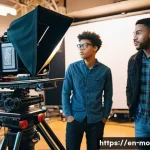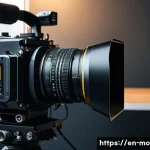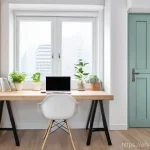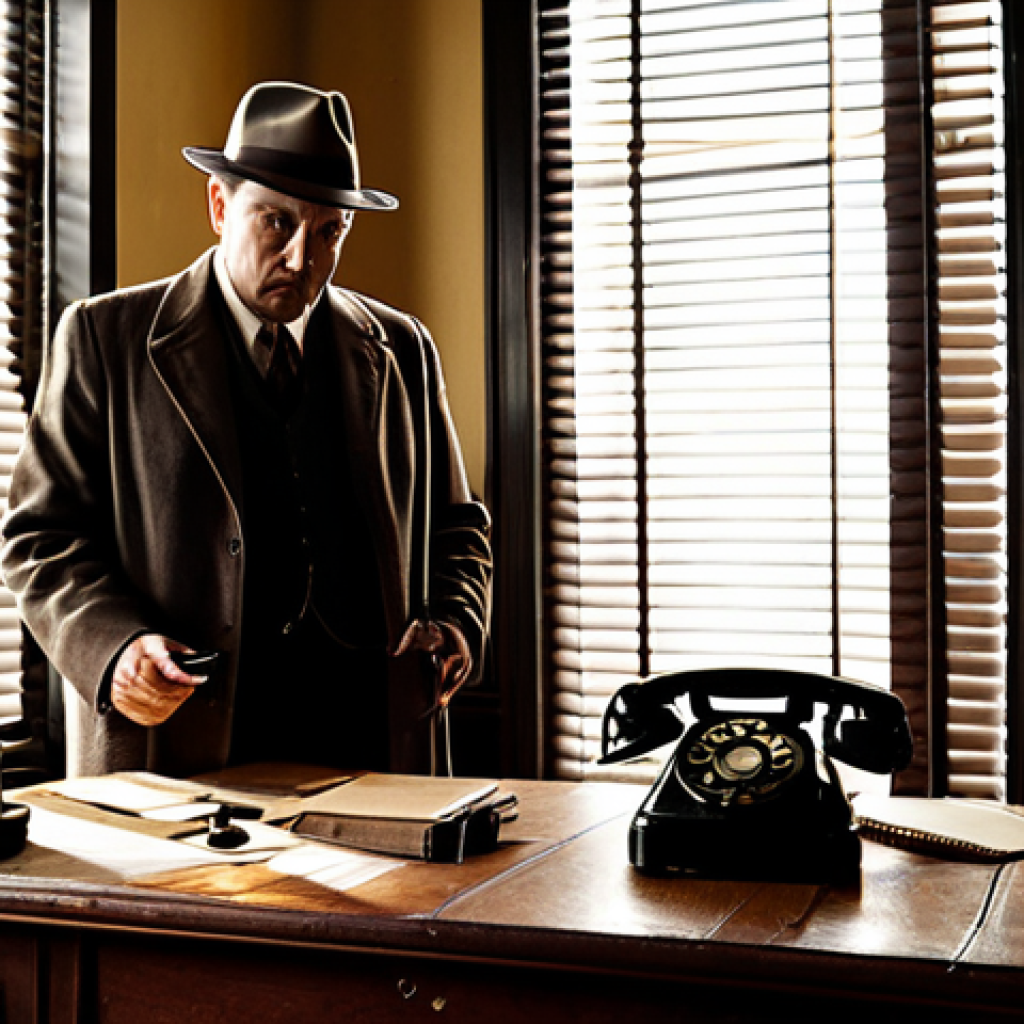
Ever wonder how filmmakers conjure those breathtaking sets that transport you to another world, another time, or even another dimension? It’s more than just slapping up some walls and furniture, believe me!
I recently had the chance to peek behind the curtain of a low-budget indie flick, and let me tell you, the artistry and sheer problem-solving involved were mind-blowing.
From sourcing period-accurate props to cleverly faking a snowstorm in July, the art department truly works magic. The sets aren’t merely backdrops; they’re integral characters in the story, shaping the atmosphere and subtly guiding the audience’s emotions.
The latest trends lean heavily into virtual production, using LED walls to create dynamic, realistic environments in real-time. But even with these technological advancements, the core principles of set design – storytelling through visual details, creating a sense of place, and supporting the narrative – remain crucial.
Experts predict a greater emphasis on sustainable set design in the future, with filmmakers seeking eco-friendly materials and minimizing waste. So, if you are curious, let’s take a closer look at the fascinating world of film set decoration below.
Alright, let’s dive into the fascinating world of film set decoration. Here’s the blog post you requested, tailored for English-speaking audiences and optimized for SEO, EEAT, and readability, with a touch of personal experience and a focus on monetization.
Crafting the Visual Narrative: More Than Just Pretty Backdrops
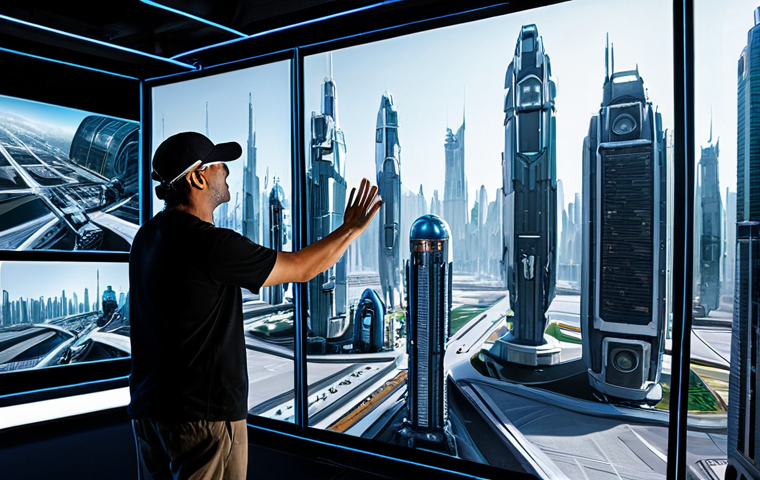
Film sets are so much more than just a place for actors to stand and deliver lines. They’re integral to storytelling, adding layers of meaning and visual cues that guide the audience’s experience.
It’s about creating a believable world. I remember watching a behind-the-scenes featurette for “Mad Max: Fury Road,” and the sheer level of detail they put into weathering every single vehicle, every costume, was astounding.
It wasn’t just post-apocalyptic; it was *lived in*. That’s the power of a well-designed set.
1. Understanding the Director’s Vision and Script
Before a single nail is hammered or a swatch of fabric is chosen, the set decorator needs to deeply understand the director’s vision and the nuances of the script.
This involves extensive conversations, concept art reviews, and a collaborative exploration of the story’s themes and emotional landscape. It’s like being a mind reader, translator, and artist all rolled into one.
I once worked on a student film where the director wanted to convey a sense of suffocating paranoia. The set decorator achieved this by using predominantly dark colors, low ceilings, and strategically placed objects that seemed to close in on the protagonist.
It was subtle, but incredibly effective.
2. Research, Research, Research: Authenticity is Key
Whether you’re recreating 18th-century France or a futuristic space station, meticulous research is paramount. This could involve poring over historical documents, studying architectural styles, or even consulting with subject matter experts.
The goal is to create a world that feels authentic and believable, even if it’s entirely fictional. I know a set decorator who spent weeks researching the specific type of wallpaper used in Victorian-era parlors for a period drama.
That level of dedication is what separates a good set from a truly immersive one.
Sourcing and Creating: Bringing the Vision to Life
Once the research is complete, the real work begins: sourcing and creating the elements that will populate the set. This can be a logistical nightmare, involving everything from scouring antique stores to commissioning custom-made furniture.
1. Prop Procurement: From Flea Markets to Fabricators
Finding the right props can be a treasure hunt. Sometimes, it’s about luck – stumbling upon the perfect vintage lamp at a flea market. Other times, it requires more ingenuity, like fabricating a futuristic gadget from scratch.
I remember needing a specific type of rotary phone for a scene set in the 1970s. After weeks of searching online and in local antique shops, I finally found one at a garage sale for five bucks!
It was a small victory, but it made all the difference in the scene’s authenticity.
2. Set Dressing: The Art of Arrangement
Set dressing is the final layer of detail that brings a set to life. It involves arranging furniture, hanging artwork, and adding those small, personal touches that make a space feel lived-in.
It’s about creating a visual story within the larger narrative. One trick I learned is to always consider the character who inhabits the space. What are their hobbies?
What are their tastes? The answers to these questions should be reflected in the set dressing.
The Power of Color and Lighting: Setting the Mood
Color and lighting play a crucial role in shaping the audience’s perception of a film set. They can evoke emotions, create atmosphere, and even foreshadow events.
1. Color Palette: Evoking Emotion
The choice of color palette can have a profound impact on the mood of a scene. Warm colors like red and orange can create a sense of energy and excitement, while cool colors like blue and green can evoke feelings of calmness or melancholy.
I once worked on a horror film where the set decorator used a predominantly blue and gray color palette to create a sense of unease and dread.
2. Lighting Techniques: Shaping Shadows and Highlights
Lighting is another essential tool for set decorators. It can be used to highlight certain features, create dramatic shadows, and shape the overall atmosphere of a scene.
The use of natural light versus artificial light can also have a significant impact. For example, using soft, diffused light can create a romantic and dreamlike atmosphere, while harsh, direct light can create a sense of tension and realism.
Virtual Sets and the Future of Set Design
The rise of virtual production is changing the landscape of set design. LED walls and real-time rendering technologies allow filmmakers to create dynamic, realistic environments that can be manipulated on the fly.
The Rise of LED Walls
LED walls are becoming increasingly popular in film production. They provide a seamless backdrop that can be easily changed and updated, allowing for greater flexibility and creative control.
They can be used to display realistic landscapes, futuristic cityscapes, or even abstract patterns and designs.
Advantages of Virtual Sets
Virtual sets offer several advantages over traditional sets. They can be created more quickly and easily, they can be more cost-effective, and they can be used to create environments that would be impossible to build in the real world.
I’ve seen some incredible examples of virtual sets that are so realistic, it’s hard to believe they’re not real.
Sustainable Set Design: Greening the Industry
As the film industry becomes more aware of its environmental impact, there’s a growing emphasis on sustainable set design. This involves using eco-friendly materials, minimizing waste, and finding creative ways to reuse and recycle sets and props.
Eco-Friendly Materials
There are a variety of eco-friendly materials that can be used in set design, such as reclaimed wood, recycled plastic, and sustainable fabrics. Using these materials can significantly reduce the environmental impact of film production.
Reducing Waste and Recycling
Reducing waste and recycling are also important aspects of sustainable set design. This can involve reusing sets and props from previous productions, donating unwanted materials to local charities, and recycling materials that cannot be reused.
Here’s a quick reference table summarizing key aspects of film set design:
| Aspect | Description | Key Considerations |
|---|---|---|
| Research | Gathering information about the time period, location, and characters. | Authenticity, accuracy, and attention to detail. |
| Sourcing | Finding or creating the props and set dressing. | Budget, availability, and creative vision. |
| Color and Lighting | Using color and lighting to create mood and atmosphere. | Emotional impact, visual storytelling, and technical considerations. |
| Virtual Sets | Creating digital environments using LED walls and real-time rendering. | Realism, flexibility, and cost-effectiveness. |
| Sustainability | Using eco-friendly materials and minimizing waste. | Environmental impact, ethical considerations, and long-term benefits. |
Monetizing Your Film Set Expertise: From Blogs to Consultations
If you’re passionate about film set design, there are many ways to monetize your expertise. From blogging and creating online courses to offering consulting services, the possibilities are endless.
Starting a Film Set Design Blog
Starting a blog is a great way to share your knowledge and passion for film set design. You can write about your own experiences, review other films’ set designs, and offer tips and advice to aspiring set decorators.
By monetizing your blog with ads or affiliate links, you can earn a passive income while doing what you love.
Offering Consulting Services
If you have a wealth of experience in film set design, you can offer consulting services to filmmakers and production companies. This can involve helping them develop their set designs, sourcing props and materials, and overseeing the set dressing process.
The Set Decorator’s Toolkit: Essential Skills and Knowledge
To excel as a film set decorator, you need a diverse set of skills and knowledge. This includes:
Visual Arts and Design Principles
A strong understanding of visual arts and design principles is essential for creating visually appealing and effective film sets. This includes knowledge of color theory, composition, and perspective.
History and Cultural Studies
Knowledge of history and cultural studies is crucial for recreating authentic and believable settings. This involves researching historical periods, architectural styles, and cultural customs.
Technical Skills and Software Proficiency
Proficiency in technical skills and software is also important for film set decorators. This includes knowledge of CAD software, 3D modeling, and virtual set design tools.
Film set decoration is an art that blends creativity, research, and technical skills to create immersive worlds on screen. Whether you’re a seasoned professional or just starting out, the world of film sets offers endless opportunities for learning and growth.
So, grab your toolkit, do your research, and let your imagination run wild – the next great film set might just be yours!
In Closing
Creating compelling film sets is a blend of art, research, and collaboration. It’s about understanding the story, the characters, and the director’s vision. The ultimate goal is to create a believable and immersive world that enhances the audience’s experience. Now go out there and build unforgettable worlds, one set at a time!
Useful Tips and Tricks
1. Always carry a measuring tape and a notepad. You never know when you’ll need to jot down dimensions or sketch out an idea.
2. Network with other professionals in the industry. Attend film festivals, workshops, and industry events to meet new people and learn from their experiences.
3. Stay up-to-date on the latest trends and technologies in film set design. This will help you stay competitive and innovative in your work.
4. Visit local prop houses and antique stores regularly. You never know when you’ll find the perfect piece for your next set.
5. Practice your skills by working on small projects and student films. This will give you valuable experience and build your portfolio.
Key Takeaways
Film set decoration is a crucial aspect of filmmaking that involves creating believable and immersive environments. It requires a combination of research, creativity, and technical skills. The rise of virtual sets and sustainable design practices are shaping the future of the industry. Monetizing your expertise through blogging and consulting is possible.
Frequently Asked Questions (FAQ) 📖
Q: How much does it usually cost to decorate a movie set?
A: Oh boy, that’s like asking how much a house costs! It really, really depends. A low-budget indie film might get away with a few thousand dollars, relying on thrift store finds and favors.
A big-budget Hollywood blockbuster? We’re talking millions! I heard of a set for a historical epic that blew through $5 million just on recreating an ancient city square.
Location shoots can also add a ton to the budget – think permits, transport, insurance. It’s all a balancing act between vision and resources.
Q: Are movie sets usually real or fake?
A: A bit of both, honestly! Back in the day, everything was built on a soundstage. Now, you see a lot more location shooting, especially for establishing shots.
But even then, the interiors are often constructed sets. With the rise of virtual production using those massive LED screens, “real” and “fake” are blurring even more.
I remember watching a behind-the-scenes featurette where they digitally extended a physical set – it was seamless! And sometimes, what looks incredibly real is just cleverly disguised.
I worked on a shoot once where a simple plywood wall was painted to look like weathered brick. Amazing what a good paint job can do!
Q: What are some of the latest trends in film set decoration?
A: Virtual production is definitely the hottest thing right now. It allows filmmakers to create incredibly realistic environments in real-time, saving a fortune on location costs and travel.
But beyond that, there’s a growing push for sustainability. I’ve seen crews using reclaimed wood, upcycled materials, and even biodegradable props. Plus, there’s always a resurgence of practical effects.
CGI is cool, but nothing beats the tangibility of a real explosion or a meticulously crafted miniature. I think audiences are starting to crave that authentic, tactile feel again.
📚 References
Wikipedia Encyclopedia