Hey everyone, it’s your favorite film enthusiast here, and let me tell you, the world of cinema is absolutely buzzing right now! It feels like just yesterday I was dreaming about making my first short film, completely overwhelmed by where to even begin.
With so much innovation happening, from mind-blowing virtual production techniques to incredible opportunities in independent filmmaking, choosing the right path to kickstart your career can feel like navigating a complex maze.
I’ve personally seen how a top-notch academy can transform a passion into a profession, providing not just technical skills but also invaluable industry connections and a creative community that truly fuels your journey.
If you’re serious about stepping into the director’s chair, crafting compelling stories, or mastering the art of cinematography, then getting the right foundational training is absolutely crucial.
Trust me, it makes all the difference when you’re equipped to tackle the ever-evolving landscape of film production. Let’s accurately find out more together!
Unlocking Your Vision: Why Formal Training Matters
So, you’ve got that burning passion, right? That desire to tell stories, to capture moments, to create something truly unforgettable on screen. I totally get it!
I remember when I first started, armed with nothing but a camcorder and a head full of wild ideas. While self-teaching can take you far, there’s a unique magic that happens when you step into a structured learning environment.
It’s not just about learning which button does what; it’s about understanding the *why* behind every choice, the history of cinema that informs today’s masterpieces, and the theoretical frameworks that elevate a good film to a great one.
I’ve personally witnessed friends who tried to go it alone eventually hit creative walls, while those who immersed themselves in a reputable program developed a deeper understanding of craft and theory, allowing them to truly articulate their artistic vision with precision.
They learned how to speak the language of film, not just babble its words. This foundation gives you the confidence to experiment, to break rules intentionally, and to truly push boundaries.
Without it, you might find yourself constantly reinventing the wheel, losing precious creative energy on basic technicalities.
Mastering the Technical Craft
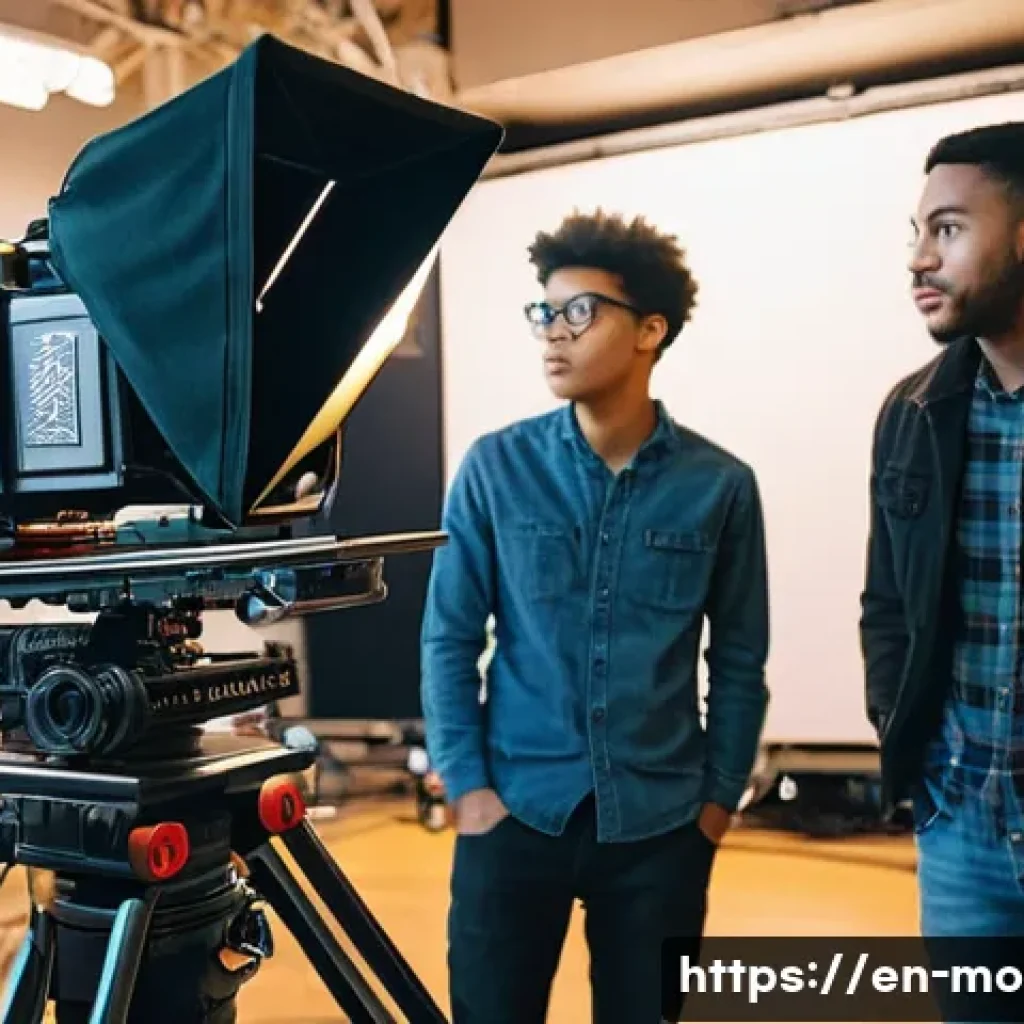
Let’s be real, the technical side of filmmaking can be daunting. From understanding complex camera rigs and lighting setups to diving into advanced editing software and sound design, there’s a massive learning curve.
An academy isn’t just about reading textbooks; it’s about getting your hands on state-of-the-art equipment that you might not otherwise have access to.
I still recall the first time I got to work with an Arri Alexa – it felt like holding pure potential in my hands! These institutions provide a safe space to make mistakes, learn from them, and refine your skills under the guidance of industry veterans.
They teach you the workflows, the safety protocols, and the industry standards that are absolutely essential for any set. You’ll move beyond just pointing and shooting, learning how to strategically compose shots, sculpt light, and layer sound to evoke specific emotions and tell your story more powerfully.
Developing Your Creative Voice
Beyond the technical prowess, formal training helps you discover and hone your unique creative voice. When you’re surrounded by diverse perspectives and critically analyzing films from various genres and cultures, your own artistic sensibilities start to crystallize.
You’ll be challenged to step out of your comfort zone, experiment with different storytelling approaches, and receive constructive feedback from professors and peers who are genuinely invested in your growth.
This kind of intense, collaborative environment pushes you to articulate your ideas, defend your choices, and ultimately, understand what kind of filmmaker you truly want to be.
It’s like finding your own signature style, a distinctive fingerprint on every piece of work you create.
Beyond the Lecture Hall: Hands-On Experience is Key
Look, anyone can sit in a classroom and absorb information, but filmmaking? It’s a contact sport! You absolutely *have* to get your hands dirty, and a top-tier film academy understands this.
My fondest memories, and frankly, my most valuable lessons, didn’t come from a textbook; they came from freezing my butt off on an outdoor shoot at 3 AM or figuring out how to fix a jammed camera on the fly.
That’s where real learning happens. These experiences teach you problem-solving skills that no lecture ever could. You learn how to adapt when things inevitably go wrong, how to communicate effectively with a crew under pressure, and how to stay calm when deadlines are looming.
It’s about being thrown into the deep end, but with a safety net of experienced faculty who can guide you. This practical application of knowledge is what transforms a student into a budding professional, ready to tackle the unpredictable nature of real-world production.
It builds resilience, fosters creativity under constraints, and instills a work ethic that is paramount in the industry.
Real-World Production Simulation
Many reputable academies boast incredible production facilities that mirror actual film sets. We’re talking sound stages, post-production suites, color grading labs – the works!
Getting to work in these environments, often on student films that simulate professional productions, is invaluable. You learn about crew hierarchy, call sheets, budgeting, and scheduling in a practical context.
I remember directing my first short film in a studio setup; the pressure felt immense, but it was an incredibly accurate simulation of what it feels like on an independent set.
It’s here that you learn the intricacies of teamwork, the importance of every department, and how to effectively manage resources and personnel to bring your vision to life.
These are the experiences that build not just your resume, but your confidence as a filmmaker.
Internships and Industry Placements
A truly great film program doesn’t just teach you; it connects you. The best academies actively facilitate internships and industry placements, giving you a foot in the door of actual production companies, studios, or post-production houses.
This isn’t just about fetching coffee – though you might do a bit of that too! It’s about observing professionals at work, understanding industry dynamics, and making those crucial early connections that can open doors later on.
I had an internship during my studies that allowed me to sit in on script readings and observe pitching sessions. It was an eye-opening experience that demystified so much of the business side of film.
These placements often lead to your first paid gigs, or at the very least, provide mentorship from experienced individuals who can shape your career trajectory.
It’s a chance to see how the theories you learned in class are applied in the fast-paced, high-stakes world of professional filmmaking.
Charting Your Course: Finding the Right Specialization
The world of filmmaking is vast, isn’t it? When I first started, I thought “filmmaker” was just one job description, but boy, was I wrong! It’s a universe brimming with incredibly specialized roles, each requiring a distinct set of skills and a unique creative mindset.
Trying to be a jack-of-all-trades without understanding where your true passion lies can lead to burnout and a diluted portfolio. This is where a focused academy experience truly shines.
They don’t just teach you general filmmaking; they offer pathways into specific disciplines, allowing you to dive deep into what truly excites you. Do you dream in sweeping landscapes and intricate camera movements?
Cinematography might be your calling. Are you obsessed with crafting compelling narratives and character arcs? Screenwriting or directing could be your destiny.
Understanding these specializations early on is crucial because it helps you tailor your education, build a relevant skill set, and ultimately, target your career efforts more effectively.
It’s about finding that sweet spot where your talent meets your passion.
The Art of Visual Storytelling: Cinematography and Directing
For many, the allure of filmmaking lies in bringing stories to life visually. If you’re captivated by the interplay of light and shadow, the composition of a frame, and the emotional impact of a camera movement, then cinematography might be your destined path.
Academies specializing in this area will immerse you in lighting techniques, camera operation, lens theory, and color science. You’ll learn how to collaborate closely with a director to translate their vision into breathtaking visuals.
On the other hand, if you’re the ultimate storyteller, the one who envisions the entire narrative from script to screen, then directing is likely your calling.
Directing programs focus on script analysis, actor performance, blocking, scene staging, and managing a crew. It’s about leadership, communication, and having a clear artistic vision that guides every aspect of the production.
I’ve seen directors who started with a strong technical background in cinematography, and others who came from a writing background, both finding their unique voices through specialized training.
Crafting Worlds: Post-Production and Sound Design
The magic doesn’t end when the cameras stop rolling; in many ways, it’s just beginning! Post-production is where the raw footage is sculpted into a cohesive, impactful story.
If you love the meticulous art of piecing together scenes, manipulating images, and creating seamless transitions, then editing could be your forte. Programs focusing on editing will teach you various software, pacing, narrative structure, and how to work with a director to realize their final cut.
Similarly, sound is often the unsung hero of film. Imagine a horror movie without its spine-tingling soundscape or a romantic drama without its soaring score – impossible!
Sound design is a highly specialized field that involves foley, ADR, sound mixing, and creating immersive auditory experiences. Academies offer deep dives into audio engineering, acoustics, and the psychological impact of sound.
I personally found a new appreciation for sound after working on a project where the entire mood shifted just by changing a few audio cues in post. It’s a testament to how crucial these “invisible” arts are.
The Power of Your Network: Building Industry Connections
Alright, let’s talk about something incredibly important that often gets overlooked when you’re just starting: networking. I can’t stress this enough – your network is your net worth in this industry.
It’s not just about who you know, but who knows *you* and what you’re capable of. When I was fresh out of school, it was those casual conversations with classmates, the mentors I connected with, and even the guest speakers who left a lasting impression that eventually led to my first real gigs.
A top-tier film academy isn’t just a place to learn; it’s a vibrant ecosystem designed to foster these connections. You’re surrounded by aspiring filmmakers, just like you, who will one day be your collaborators, your crew, and maybe even your future business partners.
These are the people who will champion your work, recommend you for projects, and be there to brainstorm ideas or lend an ear when you’re facing a creative block.
It’s a foundational community that supports you long after graduation.
Mentorship from Industry Veterans
One of the most priceless aspects of attending a reputable film academy is the opportunity to learn directly from active industry professionals. These aren’t just academics; they’re cinematographers who’ve shot major features, directors who’ve screened at prestigious festivals, and editors who’ve worked on award-winning documentaries.
Their insights are gold. They don’t just teach theory; they share real-world experiences, war stories from set, and practical advice that you won’t find in any textbook.
I still keep in touch with a few of my professors; their guidance has been instrumental throughout my career, offering advice on everything from tricky contract negotiations to navigating creative differences.
This mentorship can fast-track your understanding of the industry’s unspoken rules and provide a clear roadmap for your own journey, helping you avoid common pitfalls and make smarter choices earlier on.
Collaborative Projects and Peer Connections
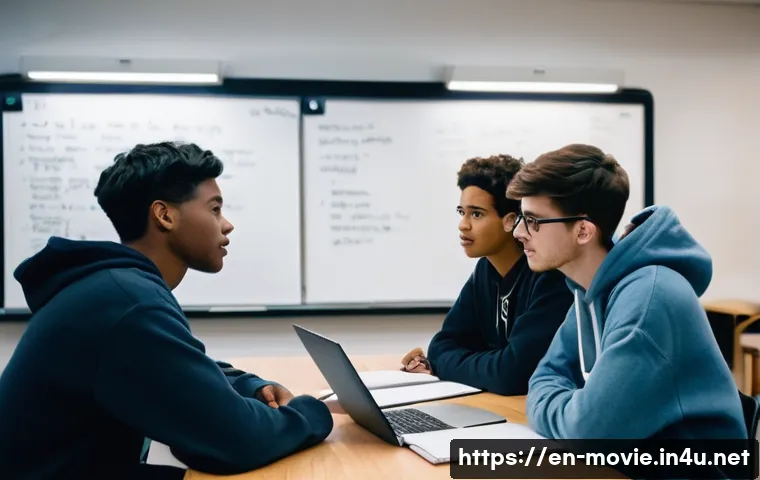
Imagine a space where everyone around you is just as passionate, driven, and creatively hungry as you are. That’s what a film academy offers. You’ll spend countless hours collaborating on student films, often taking on various roles from grip to gaffer, from sound recordist to assistant director.
These intense, shared experiences forge incredible bonds. I vividly remember the late nights and early mornings we pulled on set, fueled by pizza and sheer determination with my fellow students.
Those shared struggles and triumphs create a camaraderie that lasts a lifetime. These peers become your first crew, your first creative partners, and often, your first professional network.

They will be the ones recommending you for jobs, collaborating on independent projects, and forming the backbone of your support system as you navigate the challenging yet rewarding world of film.
Many successful filmmakers today started out making short films with their classmates.
Investing in Your Future: Understanding Costs and Returns
Let’s be honest, the cost of higher education, especially in specialized fields like film, can feel like staring at a mountain you have to climb. It’s a serious investment, and I completely understand the hesitation.
I remember looking at tuition fees and feeling a knot in my stomach, wondering if it would truly pay off. But here’s the thing: you have to view it not as an expense, but as an investment in your future self, your career, and your creative potential.
Just like any significant investment, you need to weigh the potential returns. A quality education from a respected institution can significantly boost your earning potential, accelerate your career progression, and provide opportunities that might otherwise be out of reach.
It’s about giving yourself the best possible start in a highly competitive industry. It’s about valuing your craft enough to equip yourself with the best tools and knowledge.
Navigating Financial Aid and Scholarships
Don’t let the sticker price scare you away immediately. The good news is that there are numerous avenues to make film education more accessible. Most academies offer a range of financial aid options, from grants and student loans to institution-specific scholarships.
I spent hours researching various scholarships, and honestly, that effort paid off significantly. Many scholarships are specifically designed for aspiring filmmakers, often based on merit, need, or even specific areas of interest like documentary filmmaking or screenwriting.
There are also external organizations, foundations, and industry guilds that offer financial support to students. It takes a bit of digging and application writing, but trust me, it’s worth every minute.
Reach out to the admissions and financial aid departments; they are there to help you explore all available options and guide you through the application process.
Evaluating the Return on Investment (ROI)
When you consider the ROI of a film academy, think beyond just the immediate job placement statistics. While those are important, also consider the long-term career trajectory, the quality of your network, and the depth of your skill set.
A strong foundation from a reputable school can lead to higher-paying positions, more significant projects, and greater creative control over your work down the line.
It’s not just about getting a job; it’s about building a sustainable and fulfilling career. Graduates from top-tier programs often have an advantage when applying for competitive roles, and their alumni networks can provide a steady stream of opportunities throughout their professional lives.
Furthermore, the personal growth, critical thinking skills, and creative confidence you gain are invaluable and contribute to a richer, more impactful career.
The Perfect Setting: Where Should You Study?
Choosing where to study film isn’t just about picking a school; it’s about choosing an environment that will nourish your creativity and connect you to the heart of the industry.
Location, location, location – it truly matters! I remember agonizing over this decision, weighing the pros and cons of studying in a bustling film hub versus a more secluded, creatively focused campus.
Both have their merits, but ultimately, where you are physically located can profoundly impact your opportunities, your network, and even the kind of stories you’re exposed to.
Do you want to be right in the thick of it, surrounded by studios and production houses, or would you prefer a more focused, campus-based experience with regular trips to industry events?
It’s a deeply personal choice that should align with your learning style and career aspirations.
Film Hubs vs. Campus Experiences
If you’re dreaming of working on major studio productions or in the independent film scene, studying in a major film hub like Los Angeles, New York, or London can be incredibly advantageous.
These cities are teeming with production companies, talent agencies, post-production houses, and an endless stream of industry events, festivals, and networking opportunities.
Being physically present means easier access to internships, guest speakers, and part-time gigs that can open doors. The energy is palpable, and you’re constantly surrounded by the buzz of the industry.
However, studying in a more traditional, perhaps more secluded, campus environment can offer a different kind of focus. These schools often have extensive on-campus facilities, allowing for deep immersion in projects without the distractions of a major city.
They might bring industry professionals to campus more frequently or organize structured trips to nearby film events. It really boils down to whether you thrive in a bustling, self-driven environment or prefer a more contained, curated learning experience.
Cultural Immersion and Creative Inspiration
Beyond the immediate industry access, consider the cultural landscape of your chosen location. Different cities and countries offer unique perspectives and artistic influences that can significantly enrich your storytelling.
Studying in a place with a vibrant arts scene, diverse communities, or a rich cinematic history can provide endless inspiration for your projects. For instance, studying in Europe might expose you to different filmmaking traditions and narrative styles that aren’t as prevalent in Hollywood.
The local culture, the architecture, the people you meet – all these elements can feed your creative spirit and inspire the stories you want to tell. It’s about finding a place where you not only learn the craft but also grow as a person and an artist, absorbing new ideas and perspectives that broaden your worldview and deepen your understanding of human experience.
Crafting Your Masterpiece: Building an Unforgettable Portfolio
When you finally step out of the academy, diploma in hand, your “ticket” into the industry isn’t just that piece of paper. It’s your portfolio. Trust me, hiring managers and creative directors don’t just want to see your grades; they want to see what you can *do*.
Your portfolio is your visual resume, a curated collection of your best work that showcases your skills, your style, and your unique creative voice. This is where all those late nights, all those challenges, and all that learning truly come together.
A strong portfolio isn’t just a collection of student films; it’s a statement of your potential, a demonstration of your expertise, and a glimpse into the kind of filmmaker you aspire to be.
It’s literally the most important tool you’ll have to get your foot in the door and prove that you’re ready to contribute meaningfully to professional projects.
Curating Your Best Work
This isn’t about quantity; it’s about quality. You don’t need to include every single project you ever touched during your studies. Instead, focus on showcasing your strongest work – the pieces that highlight your specific specialization, whether that’s cinematography, directing, editing, or screenwriting.
Each piece should demonstrate a clear understanding of craft and contribute to a cohesive impression of your abilities. Did you shoot a visually stunning short?
Include it! Did you write a compelling script that won an award? Feature it prominently!
I remember spending weeks meticulously selecting and refining the films for my own reel, cutting them down to the most impactful moments. You want to make it easy for potential employers to see your talent quickly.
A well-organized, visually appealing portfolio, often in the form of a professional website or a demo reel, is absolutely critical. It’s your opportunity to make a lasting first impression.
Showcasing Your Unique Voice and Collaboration Skills
Beyond technical skills, your portfolio should also communicate your artistic vision and your ability to collaborate. Did you work on projects that pushed creative boundaries?
Were you an essential part of a successful team? Show that! Include a brief description for each project, explaining your role, the challenges you faced, and what you learned.
This not only provides context but also demonstrates your self-awareness and problem-solving abilities. If you’re a director, show how you guided actors to powerful performances.
If you’re an editor, highlight your sense of pacing and narrative flow. Remember, film is a collaborative art form. Employers want to see that you can not only execute your individual role brilliantly but also work effectively within a larger creative team.
Your portfolio should reflect both your individual brilliance and your capacity to contribute to a collective vision.
| Key Factor | Why It Matters | Consider This When Researching |
|---|---|---|
| Accreditation & Reputation | Ensures quality education and industry recognition. A well-regarded school opens more doors. | Check national and international accreditation bodies; read reviews; look at alumni success stories. |
| Curriculum & Specializations | Matches your specific career aspirations and learning style. Focuses on areas you’re passionate about. | Review course catalogs; inquire about hands-on projects; see if they offer your desired major/minor. |
| Faculty Expertise | Learning from active industry professionals provides invaluable real-world insights and connections. | Research faculty bios; look for active filmmakers, writers, and producers; check their industry credits. |
| Facilities & Equipment | Access to industry-standard tools and studios is crucial for practical learning and skill development. | Tour campuses if possible; ask about camera, lighting, sound, and editing suite availability and tech specs. |
| Industry Connections & Alumni Network | Internship opportunities, mentorship, and post-graduation job prospects are often fueled by these connections. | Ask about career services, job placement rates, and active alumni networks; look for guest speaker series. |
| Location & Environment | Proximity to film hubs, cultural influences, and living costs can impact your learning and networking. | Consider major film cities vs. campus-focused settings; research local culture and living expenses. |
| Class Size & Student-to-Faculty Ratio | Smaller classes often mean more personalized attention and hands-on guidance. | Inquire about average class sizes and how much direct interaction you’ll have with professors. |
| Financial Aid & Scholarships | Makes education accessible and manageable, reducing financial stress. | Explore all scholarship, grant, and loan options; contact financial aid offices directly. |
Closing Remarks
Whew! We’ve covered a lot today, haven’t we? From the initial spark of an idea to navigating the complex world of film academies, it’s clear that building a career in filmmaking is a journey that’s as challenging as it is rewarding. Remember, every master filmmaker started somewhere, and often, that ‘somewhere’ involved a dedicated learning environment, hands-on practice, and a community of like-minded creatives. I truly believe that with the right guidance and a whole lot of grit, your cinematic dreams are absolutely within reach. Keep that passion burning bright, and never stop learning!
Useful Information to Know
1. Don’t underestimate the power of short films! Even before enrolling in a program, grab your phone or a simple camera and start experimenting. Practical experience, even at a basic level, will give you a head start and clarify your interests.
2. Research, research, research! Different film schools excel in different areas – some are known for animation, others for documentary, or perhaps experimental film. Find one that aligns perfectly with your specific artistic vision and career goals.
3. Networking isn’t just for industry veterans. Start building relationships with your peers and mentors *now*. These connections will be invaluable throughout your career, opening doors and providing a crucial support system.
4. Consider diverse financial aid options. Beyond traditional loans, look into grants for specific demographics, artistic merit scholarships, and even crowdfunding platforms. Many aspiring filmmakers find creative ways to fund their education.
5. Your portfolio is a living document. Even after you graduate, continuously update it with new projects, refine your existing work, and seek feedback. It’s your most powerful tool for showcasing growth and current capabilities.
Key Takeaways
Embarking on a filmmaking career through formal education is a strategic move that can dramatically accelerate your growth and open doors. It’s not just about acquiring technical skills; it’s about refining your creative voice, building an invaluable professional network, and gaining hands-on experience in simulated real-world environments. The decision to invest in a film academy should be viewed as an investment in your long-term success, offering substantial returns in terms of career opportunities, professional mentorship, and a robust support system. By carefully considering factors like accreditation, curriculum, faculty expertise, and industry connections, you can choose a program that will empower you to craft compelling stories and make a lasting impact in the dynamic world of cinema. Remember, your journey is unique, and selecting the right foundation can make all the difference in turning your artistic aspirations into a tangible, thriving career.
Frequently Asked Questions (FAQ) 📖
Q: Is going to a film academy really worth it in today’s world when there’s so much free information online?
A: Oh, this is a question I hear all the time, and honestly, it’s a super valid one, especially with YouTube tutorials and online courses everywhere! From my own journey, and seeing so many friends navigate this crazy industry, I’d say a film academy offers something truly unique that’s tough to replicate on your own.
Think of it this way: online learning is fantastic for picking up specific skills, right? Like mastering a new editing software or understanding camera settings.
But a good academy? It’s not just about the technical stuff. It’s about being plunged into a structured environment where you’re constantly collaborating with passionate, like-minded people.
I mean, where else can you reliably find a dedicated crew and cast for your projects day in and day out? You get to experiment, make mistakes, and then get immediate, personalized feedback from seasoned professionals who are still active in the industry.
This kind of consistent mentorship and the sheer volume of hands-on projects you churn out are invaluable. Plus, let’s be real, the equipment access alone can be a game-changer.
High-end cameras, sound stages, professional editing suites – that stuff costs a fortune, and an academy gives you the chance to get your hands on it without breaking the bank.
For me, the biggest takeaway was the network. The classmates you bond with, the instructors who become mentors, the guest speakers who might just be your future employer – those connections are gold, and they can open doors that simply don’t appear when you’re working solo from your bedroom.
It’s like a paid apprenticeship where you learn the whole ecosystem of filmmaking, not just isolated parts.
Q: With so many film programs out there, how can I possibly choose the right one for me without getting completely overwhelmed?
A: Believe me, I totally get it – looking at all the options can feel like trying to pick out a single star in the night sky! When I was looking, I felt the exact same pressure.
My best advice, based on what I’ve seen work for myself and others, is to start by really digging deep into what you want to specialize in. Are you dreaming of directing, or is cinematography your calling?
Maybe editing or screenwriting sparks your fire? Some schools are generalist powerhouses, giving you a taste of everything, while others really hone in on specific disciplines.
Once you’ve got that narrowed down a bit, look for programs with faculty who aren’t just academics but are actively working in the industry. Learning from people who are doing it right now?
That’s priceless. Also, check out their facilities and equipment. Do they have up-to-date gear you’ll actually use in the real world, like LED volumes or cutting-edge editing suites?
And here’s a big one: industry connections and alumni networks. How well does the school connect students with internships, guest lecturers, and real-world projects?
That alumni network can be your golden ticket post-graduation. And don’t forget the vibe! If possible, visit, or at least chat with current students.
Do you feel supported? Is it an inclusive environment where your voice can truly matter? Ultimately, the “right” school isn’t always the most expensive or prestigious one; it’s the one that aligns with your specific goals, learning style, and helps you build the skills and connections you need to tell your unique story.
Q: Okay, I’ve graduated from a great film program, now what? How do I actually get my foot in the door and start my career in such a competitive industry?
A: Ah, the million-dollar question after tossing that graduation cap! I remember feeling a mix of excitement and “oh wow, what now?” after I finished my program.
The first thing I’d tell you, without a shadow of a doubt, is to embrace the role of a Production Assistant (PA). Seriously, it’s not glamorous, but it is the most logical and effective starting point for so many in this industry, myself included.
As a PA, you’ll be on set, observing every single department – camera, sound, lighting, art, production – it’s like a crash course in how a real production runs, all while getting paid!
I literally learned more about set etiquette and departmental communication in my first few PA gigs than I ever thought possible. Beyond that, actively cultivate your network.
Those folks you met in school? Stay in touch. Attend industry events, screenings, and workshops.
It’s not about being pushy, but about building genuine relationships. Offer to help on smaller projects, provide value where you can, and always, always follow up.
Remember, a lot of jobs come through word-of-mouth referrals. Also, don’t stop creating! Keep working on your own short films, even low-budget passion projects, and submit them to festivals.
This builds your portfolio and gets your name out there. Think of every set, every interaction, and every new project as an opportunity to learn, grow, and show what you can do.
Persistence and a good attitude really do make all the difference.