Stepping onto a film set for the very first time felt like walking into a dream, a whirlwind of controlled chaos where every single person moved with purpose.
I still remember the palpable excitement mixed with a healthy dose of intimidation. My first gig in a film production company wasn’t the glamorous Hollywood fantasy you often see on screen; it was raw, demanding, and incredibly eye-opening.
I quickly learned that the industry thrives on sheer passion and an incredible amount of grit, especially in those entry-level roles where you’re truly learning the ropes from the ground up.
The hours could be brutal, the tasks sometimes thankless, and the coffee runs, well, they were legendary. But through it all, I discovered a magic that kept me coming back, a unique energy that only exists when a diverse group of creatives collaborates to bring a story to life.
In today’s rapidly evolving landscape, with streaming giants changing how we consume content and exciting new AI tools redefining what’s possible, navigating your way into this exciting world can feel even more complex.
But trust me, the fundamentals of perseverance and genuine networking still hold true. If you’ve ever wondered what it’s *really* like to break into the movies, or how to carve out your own path in this dynamic field, then let’s get into the nitty-gritty and truly find out how it all works.
The Unseen Grind: What Really Happens in Entry-Level Film Production
Beyond the Glamour: The Production Assistant’s Daily Reality
When I first stepped onto a film set, I thought it would be all exciting shots and dramatic monologues, like in the movies. Boy, was I wrong! My first gig as a Production Assistant (PA) quickly opened my eyes to the often-unseen, but absolutely vital, grind that keeps a set running.
You know, it’s not always glamorous, far from it. Imagine starting your day before the sun even thinks about rising, sometimes as early as 4 AM, and not wrapping up until well after midnight.
Those legendary coffee runs? Absolutely real, and often for a crew of fifty or more exhausted but passionate individuals. But it’s more than just fetching drinks; PAs are truly the unsung heroes, providing support at every stage of production.
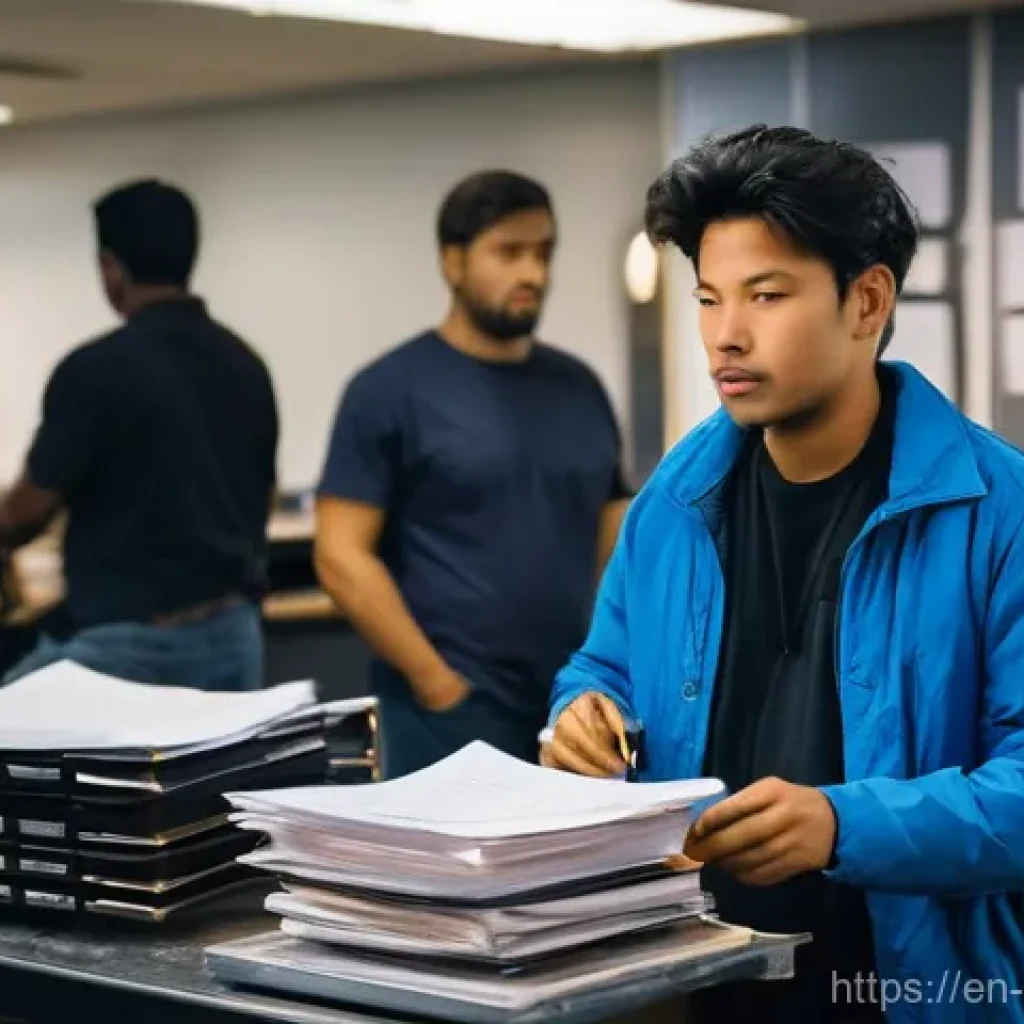
We’re talking administrative tasks, like handling stacks of paperwork, making copies of scripts, and distributing the ever-important call sheets that tell everyone where to be and when.
I remember one particularly crazy day where I felt like I was juggling a dozen tasks at once – coordinating extras, setting up signs for crowd control, escorting actors, and even making sure the catering crew had everything they needed.
It’s a role that demands constant vigilance, quick thinking, and a willingness to tackle anything, and I mean *anything*, that comes your way. It’s tough, yes, but it’s also where you learn the industry inside out, seeing every department in action and understanding how all the pieces fit together.
That raw, demanding experience is truly where the magic happens, giving you a deep appreciation for the sheer effort involved in bringing a story to life.
Mastering the Art of Set Etiquette and Practical Skills
Beyond the sheer physical demands, there’s an unspoken language on set that you absolutely *have* to learn, and quickly. It’s all about set etiquette, and let me tell you, ignorance is not bliss here – it can actually cause serious headaches for the entire production.
I learned that showing up “on time” actually means being at least ten minutes early, and on your very first day, you should aim for even earlier to introduce yourself and get your bearings.
There’s a strict hierarchy, and respecting it is paramount. You stick to your job, no matter how tempting it is to offer a brilliant idea for a camera shot if you’re not in that department.
And seriously, hands off other people’s equipment unless you’ve been given explicit permission; that gear is often expensive and fragile. I still recall the stern look I got when I instinctively moved a sandbag out of the way without asking – a small mistake, but a valuable lesson.
It taught me the importance of observation, active listening, and having an eagle eye for detail, which are crucial skills for any PA. From knowing walkie-talkie lingo to understanding basic occupational health and safety procedures, every little bit of practical knowledge you pick up makes you an invaluable asset on set.
This foundation isn’t just about doing your job; it’s about building trust and proving you’re reliable, which is how you get invited back.
Building Your Arsenal: Essential Skills That Get You Hired
Soft Skills: Your Secret Weapon for Longevity
When you’re just starting out, everyone talks about technical skills, but honestly, what truly makes you shine on set are your soft skills. I mean, sure, knowing your way around a camera or editing software is a plus, but it’s the less tangible abilities that make you indispensable.
Think about it: a film set is a pressure cooker, with tight deadlines, unexpected challenges, and a melting pot of personalities. That’s where communication, problem-solving, and adaptability really come into play.
I’ve seen countless times how a PA who can clearly convey information between departments, calmly troubleshoot a sudden logistics hiccup, or quickly adjust to a last-minute schedule change becomes everyone’s favorite person.
I remember a shoot where the location permit suddenly changed, and our PA, instead of panicking, just calmly got on the phone, found an alternative that worked, and managed to update everyone before chaos ensued.
That kind of cool-headedness under pressure? Priceless. It’s about being proactive, having keen attention to detail, and a tireless work ethic.
These aren’t just buzzwords on a resume; they’re the bedrock of a successful career in an industry that demands so much of you.
Practical Skills: From Set Management to Post-Production Basics
While soft skills are your foundation, don’t underestimate the power of practical, hands-on abilities. As a PA, you’ll find yourself assisting across various departments, and the more you know, the more valuable you become.
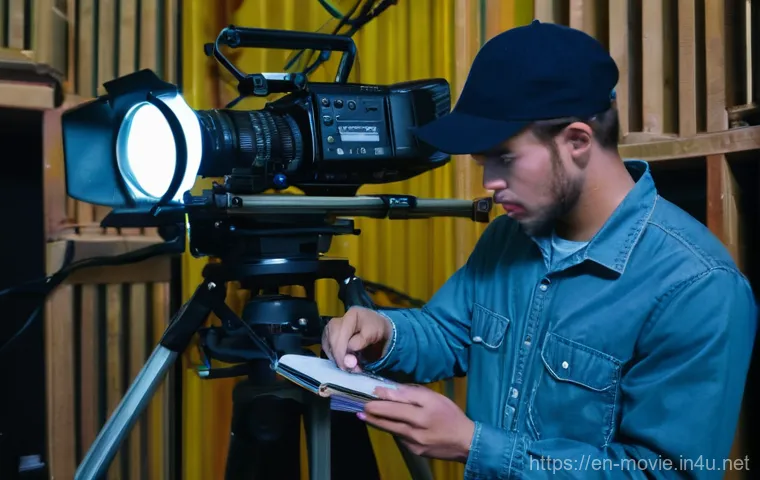
Being familiar with basic camera operations, understanding lighting setups, or even having a fundamental grasp of audio equipment can significantly enhance your value on set.
I remember feeling a huge sense of accomplishment when I could anticipate what the grip team needed for a quick setup, simply because I’d spent time observing and asking questions.
Beyond the set, having some familiarity with post-production tasks, like logging footage or organizing assets, can also make you a more versatile candidate.
Many entry-level roles involve a fair bit of administrative work too, so being proficient with office equipment, knowing how to manage schedules, and even some basic budgeting skills are incredibly useful.
It’s about being a sponge, soaking up every bit of knowledge you can, because every skill you acquire adds another tool to your belt and opens up more opportunities down the line.
The Power of Your Network: It’s All About Genuine Connections
Beyond Business Cards: Cultivating Real Relationships
Let’s be real: everyone says networking is key in film, and it absolutely is, but it’s not about handing out a hundred business cards at a mixer. That’s just shallow.
From my own experience, it’s about building genuine relationships. I’ve found that the most impactful connections came from showing up, doing my job exceptionally well, and being a reliable, positive presence on set.
People remember that. I’ve been hired countless times because someone I worked with on a tiny short film years ago remembered my attitude, my work ethic, and my willingness to help out, even if it wasn’t strictly “my job.” It’s about reciprocity; giving more than you take.
Offer to volunteer on a small project, provide feedback on a script, or simply be a good, supportive colleague. When you contribute value without expecting immediate returns, people notice and are much more likely to think of you when an opportunity arises.
It’s about becoming part of the community, not just collecting contacts.
Leveraging Industry Events and Online Communities
While organic connections are gold, actively seeking out networking opportunities is still crucial. I’ve found film festivals, conferences, and workshops to be incredibly fertile ground.
These aren’t just for established pros; they’re places where you can meet like-minded aspiring filmmakers and industry veterans alike. I remember attending a small local film festival early in my career, feeling a bit out of my depth, but I pushed myself to strike up conversations.
Those initial awkward chats often led to invaluable advice, or even an introduction to someone who later became a colleague. Don’t shy away from online platforms either.
LinkedIn, industry-specific forums, and even Facebook groups dedicated to local film production can be treasure troves for finding gigs and connecting with people.
The key is to engage authentically, share your work, and offer your skills, rather than just asking for favors. Consistency is also vital; keep in touch with your network, even if it’s just a friendly check-in once a year.
You never know when that casual connection will lead to your next big break.
From Runner to Role: Climbing the Ladder in Production
Proving Your Worth: Beyond Just Showing Up
It’s easy to think that once you’ve landed that first PA gig, the rest will just naturally fall into place. But let me tell you, showing up is just the bare minimum.
To truly climb the ladder in this industry, you have to prove your worth every single day. That means not just doing what’s asked of you, but anticipating needs, taking initiative (appropriately, of course – remember set etiquette!), and showing an unwavering commitment to the project.
I’ve seen countless PAs come and go, but the ones who rose through the ranks were always the ones who treated every task, no matter how menial, as an opportunity to learn and excel.
It’s like a paid film school, where you get to observe every department and understand the intricate dance of a smooth production. Pay attention to how the director communicates with the crew, how the camera department problem-solves, or how the ADs manage schedules.
Ask thoughtful questions during downtime, and always look for ways to bring extra value. This isn’t just about impressing your superiors; it’s about genuinely absorbing knowledge and honing your craft.
Identifying Your Path: Specializing or Staying General
As you gain more experience, you’ll start to realize where your true passions lie. The beauty of starting as a PA is that you get a front-row seat to *every* department – from lighting and sound to art direction and editing.
This exposure is crucial for figuring out if you want to specialize, or if a more general path like a production coordinator or manager is for you. I remember initially thinking I wanted to be a director, but after spending weeks shadowing the camera department, I discovered a real love for cinematography.
Others might find themselves drawn to the fast-paced world of editing or the creative problem-solving of the art department. Don’t be afraid to try different roles, even if they’re outside your initial interest, especially on smaller independent projects or student films.
This kind of varied experience not only broadens your skillset but also helps you clarify your long-term career goals. The film industry is vast, and there’s a niche for everyone, but finding yours often requires a bit of exploration.
Embracing the Digital Wave: New Opportunities in a Shifting Landscape
Streaming Platforms and Their Insatiable Demand for Content
It’s no secret that streaming services have completely changed the game. Think about it: Netflix, Disney+, Max – they’re all constantly hungry for new, engaging content, and this creates a ton of opportunities.
For us filmmakers, this means more shows, more movies, and ultimately, more jobs. The traditional gatekeepers are still there, of course, but the sheer volume of production happening to feed these platforms is staggering.
I’ve personally seen how projects that might never have found a home in the old studio system are now getting greenlit because streaming services are looking for diverse stories and unique voices.
This shift has democratized access to some extent, allowing independent filmmakers to find wider audiences and even attract funding they might not have otherwise.
It’s a dynamic, exciting time, and understanding how these platforms operate, what kinds of content they prioritize, and even how they use data analytics to inform their decisions, can give you a real edge.
The Rise of AI and Virtual Production Skills
Now, here’s where things get really interesting, and maybe a little intimidating for some: Artificial Intelligence. I know, “AI” can sound like something out of a sci-fi movie, but it’s already here and rapidly reshaping how we make films.
We’re talking about AI assisting with everything from script analysis and generating initial plot ideas to enhancing visual effects, streamlining editing workflows, and even creating realistic virtual environments.
Virtual production, powered by LED walls and real-time rendering, is transforming how sets are built and scenes are shot, making it possible to create immersive worlds without leaving the studio.
Remember *The Mandalorian*? That was a game-changer for virtual production. This might sound scary, like robots taking our jobs, and yes, there are valid concerns about job displacement, especially for entry-level roles.
However, I truly believe it’s also creating entirely *new* roles and skill demands. Filmmakers who embrace AI as a tool, who learn how to prompt models effectively, and who can integrate these technologies into their creative vision are going to be the ones who thrive.
It’s a collaborative future, where human creativity meets algorithmic efficiency.
Navigating the Industry: Essential Insights for Aspiring Filmmakers
Understanding the Various Entry Points and Trajectories
Breaking into the film industry can feel like trying to find your way through a maze blindfolded. But here’s the thing: there isn’t just one single path, and that’s actually a good thing!
While the Production Assistant role is undeniably a common and effective starting point, offering a broad view of the entire set operation and allowing you to learn from every department, it’s not the *only* way.
I’ve met people who started by interning at production companies, others who jumped straight into freelance video editing gigs for social media, and even those who got their start by apprenticing at camera or gear rental houses.
Each of these avenues provides unique insights and builds a different set of skills. The key is to identify what really sparks your interest and then actively seek out those initial opportunities.
Whether it’s volunteering on student films for the sheer experience, diligently applying to entry-level positions on job boards, or even contacting local film offices to see what productions are happening in your area, every step counts.
Don’t be discouraged if your first few gigs aren’t your dream job; they are all stepping stones, building your resume and, more importantly, your network.
The Crucial Role of Continuous Learning and Adaptability
The film industry is a beast that never stops evolving, and if you want to survive, let alone thrive, you absolutely *must* be committed to continuous learning and adaptability.
What was cutting-edge yesterday might be obsolete tomorrow, especially with the rapid advancements in technology like virtual production and AI. I’ve seen seasoned professionals get left behind because they weren’t willing to learn new software or embrace new workflows.
On the flip side, I’ve watched eager newcomers quickly make a name for themselves by demonstrating a hunger for knowledge and a readiness to adapt. This means actively seeking out workshops, online courses, and even just staying informed about industry trends through publications and online communities.
It’s about cultivating a mindset where you view every challenge as an opportunity to learn something new. The industry values problem-solvers who can think on their feet and pivot when unexpected issues arise, which, let’s be honest, happens almost daily on a film set.
So, stay curious, stay flexible, and always be ready to pick up a new skill or embrace a new tool; that’s how you future-proof your career in this wild, wonderful world of filmmaking.
Mindset Matters: Cultivating Resilience and Passion
The Marathon, Not a Sprint: Sustaining Your Energy
If there’s one piece of advice I wish I’d hammered into my younger self, it’s this: getting into film isn’t a sprint; it’s a grueling, beautiful, messy marathon.
The hours can be brutal, the rejections frequent, and the path anything but linear. I remember moments of utter exhaustion, questioning if all the late nights and early mornings were really worth it.
But what kept me going, and what I believe is essential for anyone trying to make it, is cultivating true resilience. You’re going to face setbacks, projects will fall through, and you’ll probably spend more time doing seemingly thankless tasks than you ever imagined.
It’s during these moments that your passion needs to be your fuel. Don’t say “I’m tired” on set, even if you are, because a positive and enthusiastic attitude goes a long, long way.
It’s about finding the small victories, celebrating the collaborative spirit, and remembering why you fell in love with storytelling in the first place.
This industry demands tenacity, patience, and a thick skin, but it also rewards those who refuse to give up, who keep pushing, and who genuinely love the craft.
Finding Joy in the Chaos: The Undeniable Magic of Film
Despite all the challenges, the long hours, and the occasional frustrations, there’s an undeniable magic that keeps us coming back for more. It’s that moment when you see a scene come to life, when a story you’ve poured your heart and soul into finally resonates with an audience.
I’ve felt it countless times – that unique energy that exists when a diverse group of creatives collaborates, each bringing their unique expertise, to weave a narrative.
It’s the camaraderie forged during a particularly tough night shoot, the shared laughter over a silly on-set mishap, or the quiet satisfaction of watching the director call “cut” on a perfect take.
This industry isn’t just a job; it’s a community, a family of passionate storytellers. For me, the joy comes from being part of something bigger than myself, from contributing to art that can move, inspire, and entertain.
So, while the journey to break into and thrive in film might be challenging, the rewards – that feeling of creation and connection – are absolutely worth every single moment of the beautiful chaos.
Navigating the Financials: Making Your Passion Pay Off
Understanding Compensation and Pathways to Sustainable Income
Let’s talk money, because while passion is paramount, we all need to keep the lights on, right? In the early days, especially as a Production Assistant, the pay might not always feel like it matches the grueling hours, and indeed, entry-level film production jobs can range significantly in hourly rates.
I remember those days of scraping by, taking any gig I could get, even the ones that paid “credit and food.” It’s a rite of passage for many, but it’s crucial to understand how to move from those initial, often lower-paying opportunities, to more sustainable income.
As you gain experience and move up from a general PA to more specialized roles or assistant positions, your earning potential grows. Networking isn’t just about getting jobs; it’s about getting *better paying* jobs through referrals and trusted connections.
Moreover, knowing about union rates, understanding different payment models, and being able to negotiate are skills you’ll develop over time. It’s a journey of building your value, both in terms of your skills and your reputation, so that you can command fair compensation for your hard work and expertise.
Diversifying Your Skillset for Broader Opportunities
In an industry that can be feast or famine, diversifying your skillset isn’t just smart; it’s a survival strategy. Think beyond just one role. Many successful filmmakers I know aren’t just directors or editors; they’re also talented writers, capable producers, or skilled photographers on the side.
This versatility creates multiple streams of income and makes you more marketable during lean times. For instance, strong video editing skills are in high demand across various digital platforms, not just feature films.
Freelancing as a video editor for YouTubers or content creators, for example, can provide a steady income while you pursue larger film projects. I’ve personally taken on commercial gigs or corporate video projects between features, not only for the financial stability but also to keep my skills sharp and expand my professional network outside of narrative film.
It’s about being entrepreneurial, constantly learning new tools, and finding ways to apply your core filmmaking talents to a wider array of projects. The more strings you have to your bow, the more resilient your career will be.
Planning Your Ascent: From Entry-Level to Industry Pro
Strategic Career Mapping and Goal Setting
When you’re just starting, the whole journey can feel overwhelming, like a vast ocean with no clear shore in sight. That’s why, even as a PA, it’s incredibly helpful to start thinking about your career trajectory.
It doesn’t have to be a rigid, inflexible plan, but having a general idea of where you want to go can guide your decisions and motivate you through the tough times.
Are you aiming for a specific department, like camera or art? Do you eventually want to direct or produce? Once you identify these larger goals, you can start breaking them down into smaller, actionable steps.
For example, if you want to be a cinematographer, actively seek out opportunities to shadow the camera crew, learn their equipment, and take workshops in lighting.
Each small gig, each new skill acquired, becomes a deliberate step towards your bigger ambition. This strategic approach, combined with the willingness to adjust your map as you learn and grow, is what transforms sporadic gigs into a cohesive and upward-moving career.
It’s about taking ownership of your path.
Mentorship and Continuous Professional Development
Nobody makes it alone in this industry, and one of the most valuable resources you can tap into is mentorship. Finding someone who has been where you want to go, and who is willing to share their wisdom, can be absolutely transformative.
I’ve been incredibly fortunate to have a few unofficial mentors throughout my career – people who offered advice, made introductions, or simply listened when I needed to vent.
Don’t be afraid to politely reach out to professionals you admire, perhaps for an informational interview or just to pick their brain over coffee. Remember, offer value first, and always be respectful of their time.
Beyond mentorship, formal and informal professional development is non-negotiable. The industry is constantly evolving, with new technologies, techniques, and storytelling trends emerging all the time.
Whether it’s enrolling in a specialized workshop, attending industry talks, or simply dedicating time each week to learn new software, staying current is vital.
Your growth shouldn’t stop once you land a job; it’s an ongoing process that will keep you relevant, skilled, and passionate for years to come.
| Common Entry-Level Film Roles | Key Responsibilities | Essential Skills |
|---|---|---|
| Production Assistant (PA) | General support on set and in the office; errands, paperwork, crowd control, assisting various departments. | Organization, communication, adaptability, problem-solving, attention to detail, strong work ethic. |
| Camera Trainee/Assistant | Assisting the camera department with equipment setup, battery changes, lens cleaning, logging footage. | Technical aptitude, attention to detail, reliability, ability to follow instructions, basic camera knowledge. |
| Grip/Lighting Trainee | Assisting the grip and electric teams with setting up lights, rigging equipment, carrying gear. | Physical stamina, teamwork, safety consciousness, quick learning, ability to follow instructions. |
| Office Production Assistant | Administrative tasks, scheduling, answering phones, organizing files, data entry in the production office. | Organization, computer proficiency (MS Office, scheduling software), communication, time management. |
| Art Department Assistant | Helping with prop management, set decoration, preparing and breaking down sets. | Creativity, attention to detail, organization, teamwork, adaptability. |
| Sound Trainee/Boom Operator | Assisting the sound department with microphone placement, setting up sound equipment, managing cables. | Active listening, technical aptitude, patience, attention to detail, physical coordination. |
The Evolution of Filmmaking: AI and Beyond
Navigating the AI Revolution: Threat or Opportunity?
Okay, let’s dive deeper into the elephant in the room: AI. I’ve had countless conversations with fellow filmmakers, from seasoned directors to aspiring PAs, and the feelings are definitely mixed.
On one hand, there’s a very real concern about job displacement, especially for certain entry-level and repetitive tasks. AI can generate scripts, refine drafts, enhance visual effects, and even streamline editing, tasks that traditionally required human hours and skill.
The 2023 Hollywood strikes saw actors and writers voice serious concerns about AI’s potential to replicate likenesses or generate content without compensation.
It’s a valid worry, and frankly, we’re still figuring out the ethical and practical implications. However, on the other hand, I also see immense opportunities.
AI isn’t necessarily about *replacing* human creativity, but rather *augmenting* it. Think of it as a powerful new tool in our creative arsenal. It can handle the mundane, data-heavy tasks, freeing up human filmmakers to focus on the truly creative, strategic, and emotionally nuanced aspects of storytelling.
It’s about collaboration, not replacement.
Adapting Your Skillset for an AI-Integrated Future
So, what does this mean for aspiring filmmakers? It means embracing a learning mindset like never before. Instead of fearing AI, learn how to work *with* it.
Understanding AI tools for script analysis, virtual production visualization, or even automated editing suggestions will become incredibly valuable skills.
Film schools are already starting to adapt their curricula, teaching students how to effectively prompt AI models and integrate AI-generated content into their creative workflows.
I truly believe that the future belongs to those who can master this new collaboration – people who possess the unique human skills of critical thinking, emotional intelligence, and original storytelling, coupled with the ability to leverage AI’s efficiency.
It’s about being adaptable, staying curious, and continuously evolving your skillset. The industry is in a constant state of flux, and AI is just the latest, albeit most significant, wave of change.
Those who learn to surf this wave will undoubtedly find new and exciting opportunities in filmmaking that we can only just begin to imagine.
Concluding Thoughts
And so, my friends, we reach the end of our journey through the exciting, often chaotic, but undeniably rewarding world of entry-level film production. Remember, every single person you admire in this industry, from the biggest directors to the most respected cinematographers, started somewhere. They all navigated those early mornings, the unexpected challenges, and the continuous learning curve. It’s a path that demands your full dedication and passion, but the sheer joy of bringing stories to life, of being part of that collaborative magic, truly makes every single moment worth it.
Useful Information to Know
1. Master the Unspoken Rules: Beyond your technical skills, learn the rhythm and etiquette of a film set. Showing up early, understanding the hierarchy, and being respectful of everyone’s role and equipment are non-negotiable and will make you an invaluable team member. People will notice your professionalism and your ability to fit seamlessly into the complex machinery of a production.
2. Network with Authenticity: Forget collecting business cards; focus on building genuine relationships. Your best opportunities will often come from people who remember your work ethic and positive attitude on a previous project. Be supportive, be reliable, and offer value without immediately expecting something in return, and your network will naturally grow and thrive.
3. Embrace Continuous Learning: The film industry is a dynamic beast, constantly evolving with new technologies and techniques. Whether it’s AI, virtual production, or new camera systems, staying curious and actively seeking out new knowledge will keep your skills sharp and ensure you remain relevant and indispensable in a competitive field.
4. Cultivate Your Soft Skills: While technical proficiency is great, your ability to communicate clearly, solve problems under pressure, and adapt to sudden changes will often be your most powerful assets. These are the skills that transform a good crew member into a great one, allowing you to navigate the inevitable chaos of a set with grace and efficiency.
5. Plan for Your Financial Future: Passion doesn’t pay the bills, so understand the financial landscape. Diversify your skillset to create multiple income streams, especially when starting out. Freelancing in related areas like commercial video editing can provide stability, allowing you to be more selective with your film projects and build a sustainable career.
Key Takeaways
Embarking on a career in film production is a marathon, not a sprint, and your resilience will be tested. I’ve personally seen countless individuals with immense talent burn out because they lacked the mental fortitude for the long haul. Remember, every “no” is just a redirection, and every challenge is a chance to learn something new that will ultimately make you stronger. The foundation of your success won’t just be built on knowing how to operate a camera or manage a set, but on the less tangible, yet profoundly impactful, qualities of unwavering dedication, a positive attitude, and an insatiable hunger for growth. It’s about being the person everyone wants on their team because you bring not only skill but also a calming presence and a can-do spirit. The film world thrives on collaboration and trust, so nurture those genuine connections and always strive to be someone others can rely on. And yes, the industry is changing rapidly with AI and new tech, but this isn’t a threat to human creativity; it’s an invitation to evolve. Learn these new tools, integrate them into your craft, and prove that the human touch, the human story, remains at the heart of everything we do. Stay adaptable, stay passionate, and keep telling those stories that only you can tell.
Frequently Asked Questions (FAQ) 📖
Q: How do you actually get your foot in the door in such a competitive industry like film?
A: This is the million-dollar question, isn’t it? When I first started, I genuinely thought I needed some secret handshake or a direct family connection.
What I quickly learned, though, is that while connections certainly help, persistence and proving your value are your real superpowers. My initial step wasn’t a fancy internship; it was an entry-level production assistant (PA) role that I landed after emailing literally dozens of small production companies.
I remember feeling a mix of terror and excitement. The work was often grueling – early mornings, late nights, countless coffee runs (I became an expert barista overnight!), and tasks that seemed totally unrelated to “filmmaking.” But every single one of those tasks, even fetching props or making sure everyone had water, taught me about the sheer logistics and teamwork involved.
My biggest tip? Start small. Don’t chase the big studios immediately.
Look for independent films, student projects, or even local commercials. Volunteer your time if you can afford to, just to get on set. And here’s a secret: be useful.
Show up early, stay late, anticipate needs, and always, always have a positive attitude. People remember that. It’s less about who you know initially, and more about how indispensable you make yourself once you’re there.
That’s how you turn one gig into the next, building your reputation step by step.
Q: What’s the biggest misconception people have about working in film, especially at the beginning?
A: Oh, where do I even begin with this one? The biggest misconception, without a shadow of a doubt, is that it’s all glamour and red carpets from day one.
I mean, we’ve all seen the movies, right? The truth is, my first experiences were far from Hollywood sparkle. I recall one particularly memorable 18-hour day spent in the pouring rain, holding an umbrella over a sound mixer while trying to keep expensive equipment dry.
My hair was a mess, my clothes were soaked, and I hadn’t seen a red carpet in sight! But what I did see was the incredible dedication of everyone around me.
People often expect to jump straight into directing or screenwriting, but the reality is you usually start from the very bottom, doing what some might call “grunt work.” You’re not just an intern; you’re a problem-solver, a logistics guru, sometimes even a therapist to stressed crew members.
It’s less about creative genius right away and more about understanding the immense collaborative effort and technical skills involved in every single shot.
It’s tough, it’s demanding, and it strips away any romanticized notions pretty quickly. But for those of us who stick with it, that raw, unvarnished experience is what builds genuine character and a true appreciation for the magic we eventually help create.
Q: With all the new tech like streaming and
A: I, how is the film industry changing for newcomers, and what should we focus on? A3: This is such a timely question! When I first dipped my toes into this world, Netflix was just starting to really shake things up, and AI felt like something out of a sci-fi flick.
Now? It’s a game-changer. For newcomers, this means both incredible opportunities and new challenges.
On one hand, streaming platforms have blown the doors open, creating a massive demand for content, which means more jobs across the board. You don’t necessarily need to be in LA or New York anymore; regional production hubs are thriving.
On the flip side, AI is starting to automate certain tasks, from initial script analysis to post-production effects. My personal take? Don’t view AI as a threat, but as a tool to master.
What I’ve seen firsthand is that those who understand how to leverage AI to be more efficient, to streamline workflows, or to enhance their creative output are the ones who are truly standing out.
For instance, learning AI-powered editing software or even understanding how generative AI can help with concept art or storyboard development is becoming invaluable.
But here’s the kicker, and this is where the human element becomes even more crucial: the core storytelling, the emotional connection, the unique human perspective – AI can’t replicate that.
So, while you absolutely need to keep an eye on technological advancements and become proficient with new tools, never, ever stop honing your fundamental creative skills, your networking abilities, and your knack for truly collaborating with others.
That human touch, coupled with tech savvy, is your ultimate competitive edge in this new era.