Alright, aspiring filmmakers! Stepping into the world of film production as a major can feel like walking onto a massive set for the very first time—exciting, overwhelming, and full of possibilities you never even imagined.
I know that feeling firsthand, having navigated countless curricula and watched the industry shift dramatically over the years. Choosing your courses isn’t just about ticking boxes; it’s about carving out your unique path in a dynamic landscape where technology, storytelling, and audience engagement are constantly evolving.
Forget the old notions of just “director” or “editor”; today’s film world demands versatility, a keen eye for emerging trends, and the smarts to leverage everything from virtual production to AI-driven tools.
It’s an investment in your future, both creatively and financially, so making informed decisions now is absolutely crucial. You want a curriculum that not only teaches you the timeless craft but also prepares you for the cutting-edge realities of 2025 and beyond, where storytelling can happen in immersive XR environments or on a micro-budget with powerful AI assistance.
Trust me, getting this right can make all the difference in building a robust portfolio and a network that truly helps you shine. So, let’s get you ready for your close-up and explore how to make the best choices for your film production major.
Let’s accurately discover what truly matters for your film production journey.
Oh, wow, the world of film production is truly buzzing right now! It’s wild to see how quickly things are changing, right? Based on my deep dives into what’s happening in the industry and what top-tier schools are focusing on, it’s clear that a blend of timeless storytelling and cutting-edge tech is the secret sauce for success.
The traditional paths are still there, of course, but the future is definitely leaning into some exciting, innovative spaces. When I talk to folks who’ve been in the trenches for years, and even some of the fresh talent just breaking in, there’s a recurring theme: versatility is key.
You can’t just be *good* at one thing anymore. You need to understand the whole ecosystem, from the initial spark of an idea to getting it out to an audience, which, let’s be real, often means navigating the wild west of streaming and social media.
It’s a journey, not a sprint, and every course you pick is a step on that path. Here’s what I’ve personally observed and what the industry gurus are shouting about for anyone looking to truly make their mark as a film production major in today’s world.
The Evolving Landscape of Storytelling
Mastering the Core Craft: Beyond the Camera
It’s easy to get swept up in the glitz of new gear and flashy software, but believe me, the foundation of any successful film career still rests on a rock-solid understanding of storytelling.
You can have the most expensive camera, but if your narrative falls flat, so does your film. I’ve seen so many aspiring filmmakers, myself included, spend endless hours perfecting a shot only to realize later that the story wasn’t compelling enough to hold an audience.
Courses in scriptwriting and visual storytelling aren’t just for aspiring directors or screenwriters; they’re crucial for everyone on set. Knowing how to structure a compelling narrative, developing unforgettable characters, and writing dialogue that truly resonates—whether it’s for a short film, a commercial, or a new media project—is absolutely paramount.
It’s about understanding pacing, emotion, and how to effectively communicate a message visually, even if your primary role is in a technical department.
This deep dive into story allows you to contribute meaningfully to every project, ensuring that every element serves the overall vision. Think about it: a gaffer who understands the emotional beats of a scene can light it in a way that amplifies the drama, far beyond just illuminating the actors.
This foundational knowledge is timeless and will serve you no matter how much technology changes.
The Art of Visual and Audio Alchemy
Once you’ve got the storytelling chops down, it’s time to truly bring it to life, and that’s where the magic of cinematography, editing, and sound design comes in.
These aren’t just technical skills; they are deeply artistic expressions that can transform a good story into a great one. I remember struggling endlessly with my early projects, wondering why they didn’t quite “feel” professional.
It wasn’t until I truly immersed myself in understanding shot composition, camera movement, and the subtle power of lighting that things started to click.
Mastering camera operations, from DSLRs to drones, and knowing how to capture cinematic footage on any budget is an absolute game-changer in 2025. But don’t stop there.
Post-production, especially editing, is where your story truly finds its rhythm. Proficiency in software like Adobe Premiere Pro, Final Cut Pro, or DaVinci Resolve is a must, coupled with an eye for transitions, color grading, and seamless sound syncing.
And let’s not forget sound design! Poor audio can instantly tank even the most visually stunning content. Learning to capture clear sound on set, reduce noise, and expertly mix music, voiceovers, and effects for maximum emotional impact is something I cannot stress enough.
It’s often the unsung hero that elevates a film.
Embracing the Digital Frontier: AI, XR, and Virtual Production
Navigating the Virtual Production Revolution
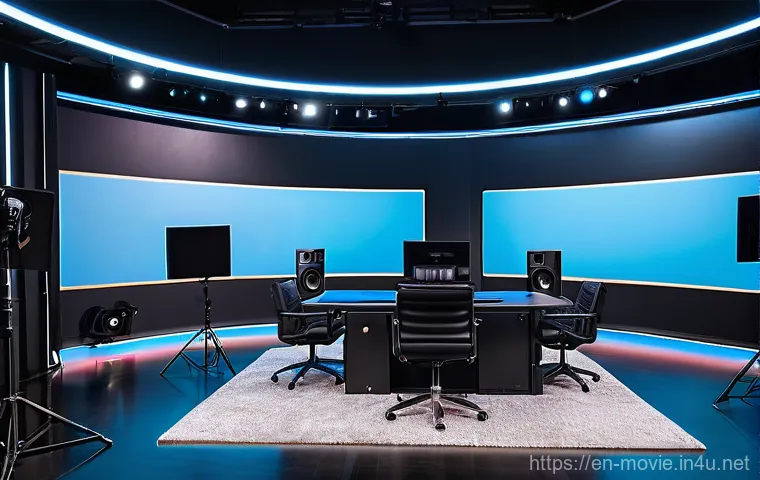
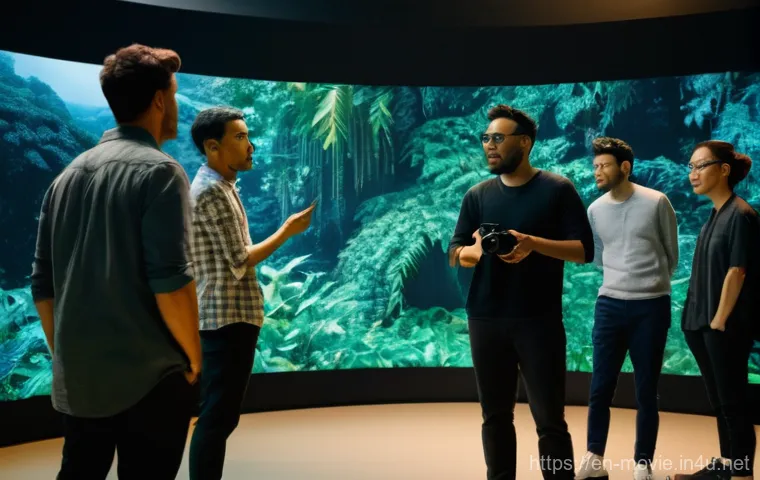
If you’re not already paying attention to virtual production, you are seriously missing out! This isn’t just a niche anymore; it’s rapidly becoming a mainstream component of filmmaking, especially with the use of LED walls and real-time rendering.
I’ve personally witnessed how these technologies are changing the game, allowing filmmakers to visualize entire scenes in a 3D space *before* they even start shooting.
It’s like having a superpower that gives you incredible creative control and, honestly, saves a ton of money and time by reducing the need for extensive on-location shoots and costly post-production fixes.
Courses that give you hands-on experience with virtual and augmented reality, letting you blend live-action footage with real-time digital environments, are invaluable.
Think about how shows like *The Mandalorian* have leveraged these techniques; it’s truly astounding what’s possible. Learning about game engines, virtual cinematography, and AI-driven scene generation is no longer optional for those who want to be at the forefront of the industry.
It’s about being able to tell stories in ways that were unimaginable just a few years ago, putting you at the cutting edge of visual storytelling.
AI as Your Creative Co-Pilot
Artificial intelligence might sound intimidating, but it’s quickly becoming a filmmaker’s best friend. I’ve been experimenting with AI tools myself, and the way they streamline complex tasks is incredible.
From automating script breakdowns and generating shooting schedules to even assisting with casting recommendations, AI can handle a lot of the grunt work, freeing you up to focus on the creative vision.
Imagine using AI features in Adobe Premiere, After Effects, or Photoshop to speed up editing, refine storyboards, or even help with production planning.
While some purists might shy away, the smart move is to learn how to leverage these tools ethically and effectively. It’s not about letting AI *replace* human creativity, but about augmenting it.
AI can analyze audience preferences, help optimize content for different platforms, and even assist in creating interactive narratives where viewers can influence the story.
The goal here is to become a “hybrid professional” – someone who combines narrative insight with technical fluency and can command these powerful tools to push creative boundaries.
Don’t be afraid to dive into courses that teach you about AI-driven workflows and content creation; it’s an investment that will pay dividends.
Building Your Brand: Distribution, Marketing, and Monetization
Strategic Distribution in a Streaming World
Making a great film is only half the battle; getting it seen is the other, equally crucial part. The distribution landscape has changed dramatically, and the old models are constantly being challenged.
Streaming platforms have completely rewritten the rules, and understanding how to navigate this new ecosystem is vital for any aspiring filmmaker. I’ve learned that you can’t just hope your film gets picked up; you need a strategy.
Courses in content strategy and social media marketing are no longer just for the marketing department. You, as a filmmaker, need to know how to format your content for TikTok, YouTube, Instagram, or Facebook, how to engage an audience, and how to build a personal brand that attracts views and, ultimately, clients.
This isn’t about selling out; it’s about connecting your work with the people who want to see it. Independent filmmakers, especially, can now create high-quality content on minimal budgets and distribute it directly, bypassing traditional gatekeepers.
Knowing about diversified distribution channels, understanding audience analytics, and even exploring potential blockchain applications for secure rights management are skills that will empower you to own your work and its reach.
The Business Behind the Art: Making Your Vision Sustainable
Let’s talk brass tacks: filmmaking is a business. It’s a passion, yes, but it needs to be sustainable. I’ve seen countless talented individuals burn out because they didn’t understand the financial realities of the industry.
That’s why business acumen and production management courses are just as important as your creative ones. Learning to plan shoots, manage teams, handle logistics, negotiate costs, and stay within budget is essential, whether you’re working on a massive studio production or your own indie project.
Entrepreneurial spirit is also key, especially in today’s landscape where independent creators can monetize their work in innovative ways. This means understanding financing, marketing, and distribution strategies, securing funding, and even looking into alternative revenue streams.
Think about workshops that focus on content monetization and building a personal brand – these are practical skills that directly impact your ability to make a living doing what you love.
It’s about merging your artistic vision with smart business decisions, ensuring your journey in film isn’t just a dream, but a viable, flourishing career.
The Human Element: Collaboration and Networking
Cultivating Your Creative Crew
Film is, by its very nature, a collaborative art form. No single person makes a movie, and the magic truly happens when diverse talents come together.
I often tell my mentees that your network isn’t just about who you know, but about who you *grow* with. Film school, if you choose that route, offers a fantastic, built-in network of peers who will be your future collaborators.
These are the folks you’ll be making films with at 3 AM on a shoestring budget, celebrating small victories, and pushing each other to be better. Beyond your immediate classmates, actively seeking out opportunities to work on other people’s projects, even volunteer gigs, is invaluable.
This is how you gain hands-on experience across different departments and learn the unspoken rules of set etiquette. It’s about building a reputation as someone reliable, easy to work with, and genuinely passionate.
This interpersonal connection, this ability to communicate effectively and inspire a team, often makes or breaks a project. Don’t underestimate the power of simply showing up, being present, and learning from everyone around you.
Mentorship and Industry Connections
While film school provides a structured environment, the real-world connections are where many doors truly open. Look for programs that offer direct mentorship from industry professionals and faculty who are actively working in the field.
These mentors can offer invaluable insights, guidance, and, crucially, connections. I’ve found that a good mentor can shave years off your learning curve and help you navigate the tricky pathways of the industry.
Beyond formal mentorship, seek out guest lectures, industry panels, and collaborations with professional filmmakers. Attending film festivals, workshops, and industry events, both online and in person, can put you in rooms with people who might be your next boss, collaborator, or even lifelong friend.
Remember, many successful directors and filmmakers, like Christopher Nolan or Steven Spielberg, built their careers on experience and connections, sometimes without a formal film degree.
What matters is the portfolio of work you build and the relationships you forge.
Crafting Your Unique Path: Specialization and Portfolio Building
Finding Your Niche and Specializing Wisely
The film industry is vast, and while versatility is a superpower, finding your niche can help you truly excel. Once you have a strong foundational understanding, consider specializing.
Film schools often offer specialization tracks in areas like documentary filmmaking, animation, visual effects, virtual reality, or even specific aspects like color grading or sound design.
I recall feeling overwhelmed by all the possibilities early on, but once I honed in on what truly ignited my passion, my focus sharpened, and my work became more distinctive.
Developing a unique skill set that aligns with your career aspirations will make you stand out. The industry needs specialists who are deeply proficient in their chosen craft, whether that’s becoming an expert in Unreal Engine for virtual production or mastering the nuances of a specific editing suite.
However, always remember that even as a specialist, having a broad understanding of the entire filmmaking process will make you a more effective and valuable team member.
You don’t want to be a one-trick pony; you want to be a highly skilled pony with an understanding of the whole show!
The Power of a Polished Portfolio
In filmmaking, your portfolio is your resume, your business card, and your personal brand all rolled into one. It’s how you showcase your unique talents and skills to potential employers and collaborators.
Trust me, I’ve reviewed countless portfolios, and the ones that stand out are curated, compelling, and clearly demonstrate a distinctive voice. It’s not about throwing everything you’ve ever made at someone; it’s about presenting your *best* work, strategically chosen to highlight the roles and skills you want to be hired for.
A compelling showreel, typically 1-2 minutes long, featuring your finest footage, is absolutely essential. Beyond video, consider a professional website that neatly organizes your projects, includes a well-crafted resume, and possibly some behind-the-scenes insights or a director’s statement that articulates your artistic vision.
Regularly update your portfolio, seek constructive feedback from industry professionals, and tailor it for specific job applications. This demonstrates not just your skills but also your understanding of the role you’re applying for.
Your portfolio is your narrative, so make sure it tells a powerful story about *you*.
The Unseen Curriculum: Adaptability and Entrepreneurship
Staying Nimble in a Fast-Paced Industry
If there’s one constant in the film industry, it’s change. Technologies evolve at lightning speed, audience tastes shift, and new platforms emerge almost daily.
I’ve seen trends come and go, and the most successful people are those who are adaptable and commit to lifelong learning. Your education shouldn’t end when you graduate; it’s just beginning.
The ability to adapt to new software, embrace new storytelling techniques, and stay current with emerging technologies like generative AI and new XR tools is paramount.
This means being curious, experimenting constantly, and not being afraid to fail. Many industry professionals, including myself, have learned invaluable lessons by simply trying new things and getting our hands dirty on various projects, even if they didn’t pay much at first.
It’s about cultivating a mindset where challenges are opportunities to learn and grow, rather than obstacles. The industry is actively looking for professionals who can blend traditional filmmaking skills with advanced technical abilities and an eagerness to keep pushing boundaries.
Embracing the Entrepreneurial Filmmaker Mindset
In today’s landscape, every filmmaker, to some extent, needs to be an entrepreneur. Whether you dream of helming blockbuster features or creating impactful indie documentaries, understanding the entrepreneurial side of the business is crucial.
This involves not just making films, but also building your personal brand, understanding contracts, securing funding, and even managing your own small production company.
I’ve often seen incredibly talented creatives struggle because they lacked a grasp of the business aspects. Courses that touch upon digital marketing, audience analytics, intellectual property, and online content distribution are more vital now than ever.
The rise of micro-budget productions, powered by accessible technology and AI, means you can create high-quality content without needing a massive studio backing you.
This empowers you to take control of your creative output and your career path. Think of yourself not just as an artist, but as the CEO of your own creative enterprise.
This mindset will not only help you navigate the competitive landscape but also find innovative ways to monetize your work and build a sustainable career doing what you love.
It’s about crafting your destiny, one project at a time.
Leveraging Your Surroundings: Location and Mentorship Opportunities
The Advantage of Industry Hubs
Where you choose to study and start your career can significantly impact your opportunities. While online learning has expanded access like never before, there’s still an undeniable advantage to being in an industry hub.
I’ve seen firsthand how the energy and sheer number of opportunities in places like Los Angeles, New York, or Vancouver can accelerate a career. These locations aren’t just where the big studios are; they’re bustling with independent productions, post-production houses, equipment rental companies, and countless networking events.
Being in proximity allows you to engage directly with working filmmakers, find internships, and jump on paid gigs that might never be advertised online.
The spontaneous connections you make on set, at a workshop, or even just grabbing coffee near a studio lot, can be absolutely transformative. If you have the flexibility, try to immerse yourself in an environment where filmmaking isn’t just a course, but a way of life, where every corner seems to hum with creative energy and opportunities.
It truly makes a difference to be where the action is.
Cultivating Relationships with Active Professionals
Choosing a program with faculty who are active industry professionals is a non-negotiable in my book. You want to learn from people who aren’t just teaching theory from a textbook, but who are actively navigating the very industry you’re trying to break into.
Their real-world experience, current projects, and insights into emerging trends are invaluable. Beyond the professors, look for opportunities where guest lecturers, masterclasses, or industry panels are common.
These are golden chances to hear directly from directors, cinematographers, editors, and producers about what’s happening *right now*. Building relationships with these professionals can lead to mentorship opportunities, internships, or even your first paid gig.
Many successful film careers are built on a foundation of strong relationships and referrals. I’ve found that simply being enthusiastic, respectful of their time, and genuinely interested in their work can open doors you never even knew existed.
Don’t be afraid to ask questions, offer to help, and most importantly, listen intently to their advice – they’ve been where you are, and their insights are priceless.
Essential Skill Sets for the Modern Film Production Major
A Deep Dive into Technical Mastery
Beyond the theoretical and artistic, a strong film production major absolutely *must* develop profound technical mastery across various disciplines. This isn’t just about knowing how to press a record button; it’s about understanding the intricate dance between light, sound, and image that brings a story to life.
I often see students who are brilliant conceptually but stumble when it comes to execution, and that gap can be a real roadblock. You’ll want courses that offer extensive hands-on training with professional equipment – from the latest digital cinema cameras and drone operation to advanced lighting kits and grip gear.
Similarly, becoming deeply proficient in industry-standard software for editing (think Adobe Premiere Pro, Avid Media Composer, DaVinci Resolve), sound design (like Pro Tools), and visual effects is non-negotiable.
Many programs offer intensive workshops and project-based learning, which I found to be the most effective way to truly internalize these skills. It’s one thing to read about color grading; it’s another to spend hours in a suite, finessing a look until it perfectly evokes the desired emotion.
This technical foundation allows you to translate your creative vision into a tangible, high-quality product that stands out in a crowded market.
The Soft Skills That Seal the Deal
While technical skills get your foot in the door, it’s often the “soft skills” that truly propel your career forward and make you an indispensable member of any production team.
I’ve learned over the years that filmmaking is as much about human interaction as it is about technical prowess. Strong communication is paramount – whether it’s clearly articulating your vision as a director, giving concise instructions as a first assistant director, or collaborating seamlessly with your editor.
Leadership abilities, especially for roles like directors and producers, are vital for managing teams and keeping a project on track. Problem-solving and critical thinking skills are constantly put to the test on a film set, where unexpected challenges are the norm.
And, of course, time management and budgeting proficiency are crucial for bringing any project to fruition efficiently. These skills are often honed through real-world experience, group projects, and simply learning to navigate the dynamics of a fast-paced creative environment.
I honestly believe that developing these interpersonal and organizational strengths makes you not just a better filmmaker, but a better leader and collaborator, which is what truly makes a difference in this industry.
| Core Skill Area | Key Courses/Focus Areas | Why It Matters in 2025+ |
|---|---|---|
| Storytelling & Narrative | Scriptwriting, Visual Storytelling, Film Theory, Genre Studies | The timeless foundation for engaging audiences across any platform. Essential for compelling content, regardless of tech. |
| Technical Production | Cinematography, Editing Software (Premiere, Resolve), Sound Design, Lighting, Camera Ops | Execution of creative vision. High-quality production values are expected, even on micro-budgets. |
| Emerging Technologies | Virtual Production, AI in Film, XR Storytelling, Real-time Rendering, Game Engines | Cutting-edge tools for efficiency, creative control, and immersive audience experiences. Industry demand is soaring. |
| Business & Logistics | Production Management, Budgeting, Distribution & Marketing, Intellectual Property, Entrepreneurship | Ensuring projects are feasible, funded, completed on time, and reach their intended audience for monetization. |
| Soft Skills & Collaboration | Leadership, Communication, Problem-Solving, Teamwork, Networking, Professional Ethics | Crucial for effective team dynamics, navigating production challenges, and building a sustainable career through relationships. |
The Global Canvas: Diversity, Sustainability, and Interactivity
Crafting Inclusive Narratives for a Global Audience
The world is more interconnected than ever, and that means storytelling needs to reflect that beautiful diversity. I’ve noticed a huge shift in the industry, with a genuine demand for inclusive content that celebrates minorities, LGBTQIA+ narratives, and stories from different cultural backgrounds.
This isn’t just a trend; it’s a fundamental shift towards more authentic and representative storytelling that resonates with audiences worldwide. Courses that delve into global cinema, cultural studies, and diverse narrative structures aren’t just academic exercises; they equip you with the perspective and sensitivity needed to tell stories that truly connect.
I personally believe that the more diverse voices we have behind and in front of the camera, the richer and more impactful our films will be. It’s about creating content that truly reflects the multifaceted world we live in, fostering empathy, and breaking down barriers through the power of film.
Embracing this global canvas allows you to tap into a wider audience and create work that has universal appeal, enhancing both its cultural and commercial value.
Sustainable Practices and Interactive Futures
The conversation around sustainability in film production is no longer just a nice-to-have; it’s becoming an industry standard. I’ve seen a growing awareness of the environmental impact of filmmaking, from massive sets to extensive travel.
Courses that integrate sustainability principles into the curriculum, focusing on eco-friendly practices, renewable energy-powered sets, and reduced waste, are increasingly important.
It’s about being a responsible filmmaker and contributing positively to the planet while still creating incredible art. Beyond sustainability, the future of filmmaking is undeniably interactive.
Audiences no longer just want to *watch* a story; they want to step inside it and actively participate. This means exploring interactive storytelling, where viewers can make choices that influence the narrative, or engaging with immersive experiences through virtual and augmented reality.
Think about multimodal AI that allows consumers to interact with elements of a story, or experiences where dolls react to what’s happening on screen. It’s a brave new world, and choosing courses that prepare you for these interactive and environmentally conscious frontiers will position you not just as a filmmaker, but as a visionary leader shaping the future of cinema.
Wrapping Things Up
Whew! What a journey we’ve been on, right? It’s genuinely thrilling to consider all the incredible pathways opening up in film production right now. As someone who lives and breathes this industry, I truly believe that balancing those timeless storytelling skills with a keen eye on emerging tech is the golden ticket. It’s not just about what you learn, but how you apply it, how you connect with others, and how passionately you chase that next amazing story. Remember, every single frame, every sound effect, every creative decision you make contributes to something bigger than yourself. It’s a challenge, for sure, but oh-so-rewarding!
Insider Tips You Can’t Miss
1. Don’t Underestimate Soft Skills: Seriously, technical prowess is awesome, but your ability to communicate, lead, problem-solve, and collaborate effectively will often be the real differentiator in this industry. Think of them as your secret sauce!
2. Network Like It’s Your Job (Because It Is!): Go to film festivals, join online communities, volunteer for projects, and connect with people who inspire you. Remember, it’s not just about what you know, but who you know and, more importantly, who knows *you* and your work.
3. Build Your Portfolio Relentlessly: Your reel, your short films, your screenplays – these are your calling cards. Always be creating, refining, and showcasing your best work. Make it easy for potential collaborators and employers to see your unique vision and skills.
4. Embrace the Hybrid Role: The lines between creative and technical, artist and entrepreneur, are blurring. Learning about AI, virtual production, and even basic business acumen will make you incredibly valuable and adaptable as the industry continues to evolve at warp speed.
5. Think Sustainably, Act Globally: Audiences and productions alike are increasingly prioritizing eco-friendly practices and diverse, inclusive narratives. Integrate these values into your work, not just because it’s the right thing to do, but because it truly resonates with a global audience and shapes the future of our craft.
Key Takeaways
The film industry is a vibrant, ever-changing beast, and staying ahead means being a lifelong learner with a healthy dose of adaptability. Focus on honing your storytelling fundamentals while fearlessly diving into cutting-edge technologies like virtual production and AI. Cultivate strong interpersonal skills – they’re as vital as your technical abilities – and actively build a network of peers and mentors. Remember that your passion, combined with smart strategic thinking around distribution and monetization, will truly set you up for a sustainable and thrilling career. It’s all about creating compelling content, connecting with your audience, and consistently pushing the boundaries of what’s possible, all while being a fantastic human to work with!
Frequently Asked Questions (FAQ) 📖
Q: What are the absolute must-have courses or skill sets for a film production major in today’s fast-changing industry?
A: This is such a critical question, and if I’ve learned anything, it’s that the “must-haves” are a dynamic mix. Of course, the fundamentals are still king: deep dives into directing, screenwriting, cinematography, editing, sound design, and producing are non-negotiable.
These are the bedrock of storytelling, and knowing them intimately is what separates a good filmmaker from a great one. Think about courses that really hone your visual storytelling and composition skills; those are always invaluable.
However, what truly sets you apart now, in my experience, is adding a strong layer of digital literacy and business acumen. You need to be comfortable with advanced editing software like Adobe Premiere or Final Cut, and understand motion graphics and visual effects.
But beyond that, consider courses that teach you how to manage budgets, market your work, and even understand intellectual property rights. Being a filmmaker today often means being an entrepreneur.
Personally, I’ve seen how much more successful my colleagues are when they understand the whole ecosystem—not just the creative side. Learning to work with a small crew or even on a tight budget can also teach you invaluable lessons that traditional big-budget courses might miss.
It’s all about being versatile and having a holistic view of the production process.
Q: How can I effectively blend traditional filmmaking techniques with cutting-edge technologies like virtual production and
A: I, and why is this so important? A2: Oh, this is where the magic really happens, and frankly, where the industry is heading! Trust me, knowing how to marry the classic principles of filmmaking with new tech like virtual production (VP) and AI isn’t just a bonus anymore; it’s becoming a necessity.
Virtual production, using tools like Unreal Engine, allows you to create incredibly realistic digital environments and shoot live-action scenes within them, blending the virtual and physical worlds seamlessly.
I’ve seen this drastically reduce costs and open up creative possibilities that were once just dreams. Then there’s AI, which is, quite honestly, a game-changer.
It’s being integrated into every stage, from generating complex visual effects and lighting to assisting with scriptwriting and even creating adaptive musical scores.
Film schools are already teaching students how to harness AI for things like mastering prompt language for virtual cameras, generative lighting, and even style emulation.
The “why” is simple: efficiency, creative expansion, and staying competitive. By understanding both the timeless craft of storytelling and how to leverage these powerful tools responsibly and ethically, you’re not just ready for the future; you’re helping to shape it.
It means you can tell bigger, more imaginative stories with potentially smaller teams and budgets, which is incredibly appealing to producers and studios.
Q: Beyond the classroom, what’s the most impactful way to build a network and a strong portfolio that truly gets noticed by industry professionals?
A: Okay, this is truly where the rubber meets the road, and it’s something I always emphasize. The classroom gives you the foundation, but real-world experience and connections are what propel your career forward.
First, for your portfolio, it’s not just about quantity; it’s about quality and diversity. You want to showcase a range of your best work—narrative shorts, documentaries, music videos, commercials, even strong animation or stop-motion pieces if that’s your passion.
Don’t wait for the perfect project; start making anything you can, even if it’s a short film with friends using your smartphone. The goal is to constantly create, iterate, and refine.
Personally, I’ve found that showcasing projects where you’ve worn multiple hats—directing, shooting, editing—can be incredibly impressive, demonstrating your versatility.
As for networking, it’s not about collecting business cards; it’s about building genuine relationships. Attend film festivals, workshops, and industry events, both in-person and online.
Be helpful, be attentive, and learn from everyone you meet, from seasoned veterans to fellow aspiring filmmakers. A big tip from my own journey: don’t be afraid to offer your skills for free on smaller projects, especially when you’re starting out.
This can be an incredible way to get on sets, meet people, and gain invaluable experience. Sharing your work online, especially on platforms like YouTube or dedicated portfolio sites, and engaging with other creators, can also lead to unexpected opportunities.
Remember, the film industry is a collaborative one, and showing that you’re a good hang, reliable, and eager to learn can open more doors than raw talent alone.